Here's what nobody tells you about hormonal sensitivity
Your clitoris didn't vanish. But if you're noticing that touch feels different, duller, or weirdly muted after a hormonal shift, you're not imagining it. Hormones like estrogen and testosterone directly affect clitoral blood flow, tissue thickness, and nerve sensitivity. When those hormones change, sensation changes with them.
The good news: this isn't permanent, and it's not a sign something's wrong with you. It's a sign your body needs a different kind of attention.
What hormonal shifts actually do to clitoral sensation
Let me break down the mechanics. Your clitoris is packed with nerve endings (more than 8,000 of them, actually), and estrogen keeps the tissue plump and blood-rich. When estrogen drops, that tissue thins slightly. The blood vessels don't dilate as quickly. Your nervous system has to work harder to register sensation.
At the same time, testosterone drops too. Yes, people with vulvas produce testosterone, and it's a major player in desire and sensation intensity. Lower testosterone often means sensation feels blunted, more like touching through cotton.
Additionally, hormonal shifts can make your pelvic floor tense up in protective ways. A tight pelvic floor literally reduces blood flow to your clitoris, which dulls sensation even more. It's your body trying to protect you, but it's working against pleasure.
Here's the part that matters: the neural pathways are still there. Your clitoris hasn't lost its capacity to feel. It's just working with different inputs.
Why lemon vibrators work differently than other toys
Most vibrators use direct vibration. They buzz against tissue. After hormonal changes, that direct vibration can feel too intense or, paradoxically, too subtle to register clearly. You end up either uncomfortable or frustrated because the sensation just isn't translating.
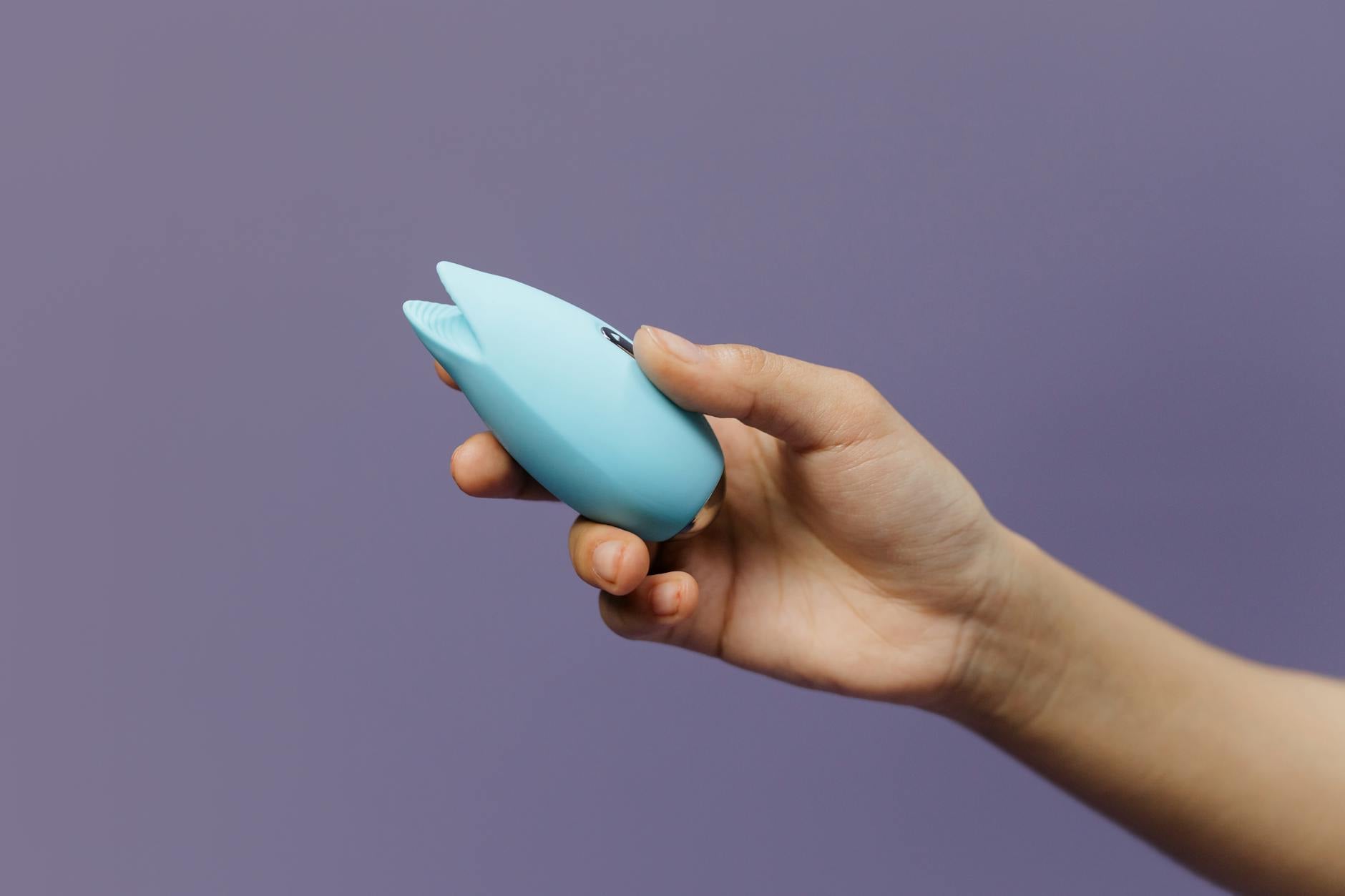
Lemon clitoral vibrators use air-suction technology, which is a completely different approach. Instead of vibration, they create gentle rhythmic pulses that stimulate the whole clitoral structure, not just the surface. This matters because after hormonal changes, what feels amazing isn't usually direct friction. It's broader, gentler stimulation that coaxes sensation back online.
The suction pattern on a lemon vibrator also pulls blood into the tissue, which naturally restores some of that plumpness and sensitivity you might have lost. You're literally increasing blood flow to the area with each pulse. Over time, with regular use, that improved circulation rewires your sensation pathways.
How to start if sensation feels really numb right now
If clitoral sensation has dropped significantly, jumping straight to a full-intensity vibrator, including a lemon clitoral vibrator, can feel jarring or even painful. Here's the gentler approach I recommend to most people navigating hormonal changes.
Start with the lowest settings. On a device like the Lem vibrator, that means patterns 1 and 2. Spend at least 5-7 minutes at the lowest setting before moving up. You're not trying to reach orgasm on day one. You're reintroducing sensation to your nervous system in a way that feels manageable.
Use water-based lubricant generously. After hormonal changes, thinner tissue benefits from extra slip. The lube also helps distribute the suction sensation more evenly, so it doesn't feel concentrated in one spot.
Don't rush. The whole point of starting low is that you're literally training your body to feel again. That takes repetition and patience. Most people notice clearer sensation within 2-3 weeks of consistent, gentle use.
The role of warm-up and pelvic floor relaxation
Before you even touch the lemon vibrator, your pelvic floor needs permission to relax. After hormonal changes, many people unconsciously grip pelvic floor muscles tighter, especially if they've been avoiding pleasure because sensation felt off.
Spend 5-10 minutes doing something grounding. This could be breathing exercises, gentle stretching, or just lying still and consciously releasing tension from your lower belly. You're literally telling your nervous system it's safe to feel again.
When you do start using a clitoral vibrator, check in with your pelvic floor every few minutes. If you notice tension creeping in, pause, breathe, and consciously relax. A tight pelvic floor works against the suction sensation, so the softer you can stay, the more you'll feel.
Many people find that combining pelvic floor relaxation with the Lem vibrator creates a feedback loop: the toy gently stimulates, your body recognizes sensation is safe, your pelvic floor relaxes more, sensation increases. Within a few sessions, the whole system recalibrates.
Building sensation back systematically
Hormonal changes didn't flatten your sensation overnight, so restoring it takes a deliberate practice. Here's a framework that works well.
Weeks 1-2: Use your lemon vibrator at patterns 1-2 for 10-15 minutes, 4-5 times a week. Focus on noticing sensation without pressure to orgasm. You're building awareness, not chasing a finish line.
Weeks 3-4: Gradually move to patterns 2-3. Extend sessions to 15-20 minutes if it feels good. You should start noticing clearer sensation by now. Orgasms might still feel distant, but the baseline sensation should be sharpening.
Weeks 5+: Experiment with patterns 3-4 and different rhythms. Try varying pressure (lighter touch vs. firmer contact). Your clitoris is re-learning what it enjoys. This is exploration phase.
Many people also find that how lemon vibrators help restore pleasure after antidepressants relates closely to hormonal sensitivity challenges, since both involve nervous system recalibration. The same patient, systematic approach works for both.
When to layer in partner touch
If you have a partner, the instinct is often to immediately share your new toy and sensation routine. Hold that thought for a few weeks. First, rebuild sensation on your own terms. Understand what the lemon vibrator feels like, what patterns work, what your body needs.
Once you feel confident with your own practice, introduce it with a partner. Start with them observing. Then move to them holding the device while you guide pressure and speed. This keeps you in control of sensation and removes the performance pressure of "does this feel good to them."
For partners who are concerned about changes in your sensitivity, framing this as "my body is learning something new, and I want you to learn with me" usually lands better than "my sensation changed and I need to fix it alone." It's collaborative, not competitive.
Supporting restoration with lifestyle
The lemon vibrator is a powerful tool, but it's not working in isolation. Hormonal shifts often come with other life changes. Stress suppresses arousal and dulls sensation. Sleep deprivation does the same. If you're not addressing those, you're making the vibrator work harder.
Sleep, movement (especially pelvic floor yoga or gentle strength work), and stress management all improve clitoral blood flow and nervous system sensitivity. A 30-minute walk, better sleep, and 10 minutes of breathing work might do more for your sensation than a toy alone.
Similarly, if your hormonal change is medication-driven or relates to a specific condition, talk to your healthcare provider about what's realistic. Some situations need additional support beyond a clitoral vibrator.
FAQ: Restoring Sensation After Hormonal Changes
How long does it usually take to feel sensation returning after hormonal changes?
Most people notice clearer sensation within 2-3 weeks of consistent, gentle use of a lemon clitoral vibrator. Full restoration of pre-change sensation can take 4-8 weeks or longer, depending on the severity of the hormonal shift and your individual nervous system. Patience matters more than intensity here. The goal is rewiring, not forcing.
Can hormonal birth control cause the same sensation changes as other hormonal shifts?
Absolutely. Hormonal birth control alters estrogen and testosterone levels, which affects clitoral sensitivity for many people. Some people feel MORE sensation on certain methods, others feel less. If you've recently started birth control and noticed sensation changes, give it 2-3 months before concluding it's not for you. Your body often adapts. If it doesn't, talk to your provider about alternatives. For more on this specific scenario, how to use a lemon clitoral vibrator after starting hormonal birth control goes deeper.
Should I use a lemon sucker vibrator if I have vaginal dryness related to hormonal changes?
Yes, but with extra lubrication. A lemon clitoral vibrator creates suction that works beautifully on the clitoris specifically, and it doesn't depend on vaginal lubrication the way some toys do. However, if you have hormonal dryness, use a generous amount of water-based lubricant around the clitoris and at the opening of the toy to prevent any uncomfortable friction. The combination of suction plus lubrication is actually ideal for hormonal dryness scenarios.
What if sensation feels painful or raw when I use a lemon vibrator after hormonal changes?
That usually signals you're starting too high in intensity or your pelvic floor is too tense. Drop to pattern 1, use more lubricant, and extend your pelvic floor warm-up time. If pain persists after a few sessions, contact your healthcare provider. Sometimes hormonal changes come with minor tissue changes that need professional assessment. Rarely, you might need a topical treatment first before reintroducing vibration.
Can I use a lemon vibrator if I'm on hormone replacement therapy (HRT)?
Yes. In fact, many people on HRT find that using a lemon clitoral vibrator helps accelerate the sensation improvements that HRT provides. Your body is already recalibrating hormonally, and gentle stimulation helps rewire neural pathways faster. Same approach: start low, build gradually. Some people find that HRT plus a consistent toy practice results in sensation returning much more fully than HRT alone.
Is it normal for orgasms to feel different (weaker or more intense) after hormonal changes, even after using a lemon vibrator?
Completely normal. Hormonal shifts change how orgasms feel physically. They might feel more localized, take longer to build, or feel less intense initially. As sensation returns and hormones stabilize, the orgasm itself often shifts too. Many people report that post-hormonal-change orgasms eventually feel different but not worse. just... different. That's not a problem. That's your body finding a new normal.
Bringing it together: sensation restoration as self-care
Restoring clitoral sensation after hormonal changes isn't about forcing your body back to how it was before. It's about meeting your body where it is now and giving it tools to feel good in this new configuration. A lemon clitoral vibrator is that tool, but patience and consistency are what make it work.
Start low. Build slowly. Listen to what feels right. Over weeks, your nervous system will remember its capacity for sensation. Pleasure doesn't disappear after hormonal changes. It just needs to be invited back thoughtfully.
If you'd like personalized guidance on how to approach this specific to your situation, reach out to us. We're here to help you feel like yourself again.