Here's the thing nobody mentions at the pharmacy
Antidepressants save lives. They also often kill sex. Around 40 to 60 percent of people taking SSRIs (selective serotonin reuptake inhibitors) experience sexual side effects. Numbness. Delayed or missing orgasms. Desire that flatlines. The frustrating part? Your doctor probably didn't warn you, and it's not in your head.
This isn't a dealbreaker moment. It's a redirect moment. Once you understand what's happening neurologically, you can actually do something about it.
Why SSRIs numb sensation in the first place
Serotonin regulates arousal, orgasm, and sensation throughout your entire nervous system. When SSRIs increase serotonin availability in your brain, they're also affecting the networks that signal pleasure. Higher serotonin in some brain regions can reduce dopamine and norepinephrine signaling, which directly control physical arousal and the intensity of sensation.
This is why the numbness feels so strange. It's not that your body stopped working. It's that your brain's pleasure signals got quieter. You might feel physical touch but without the electric, building-toward-something quality that usually accompanies it.
The good news? Sensation isn't gone. It's muted. And there are concrete strategies to amplify what's still there.
The role of lemon clitoral vibrators in rebuilding sensation
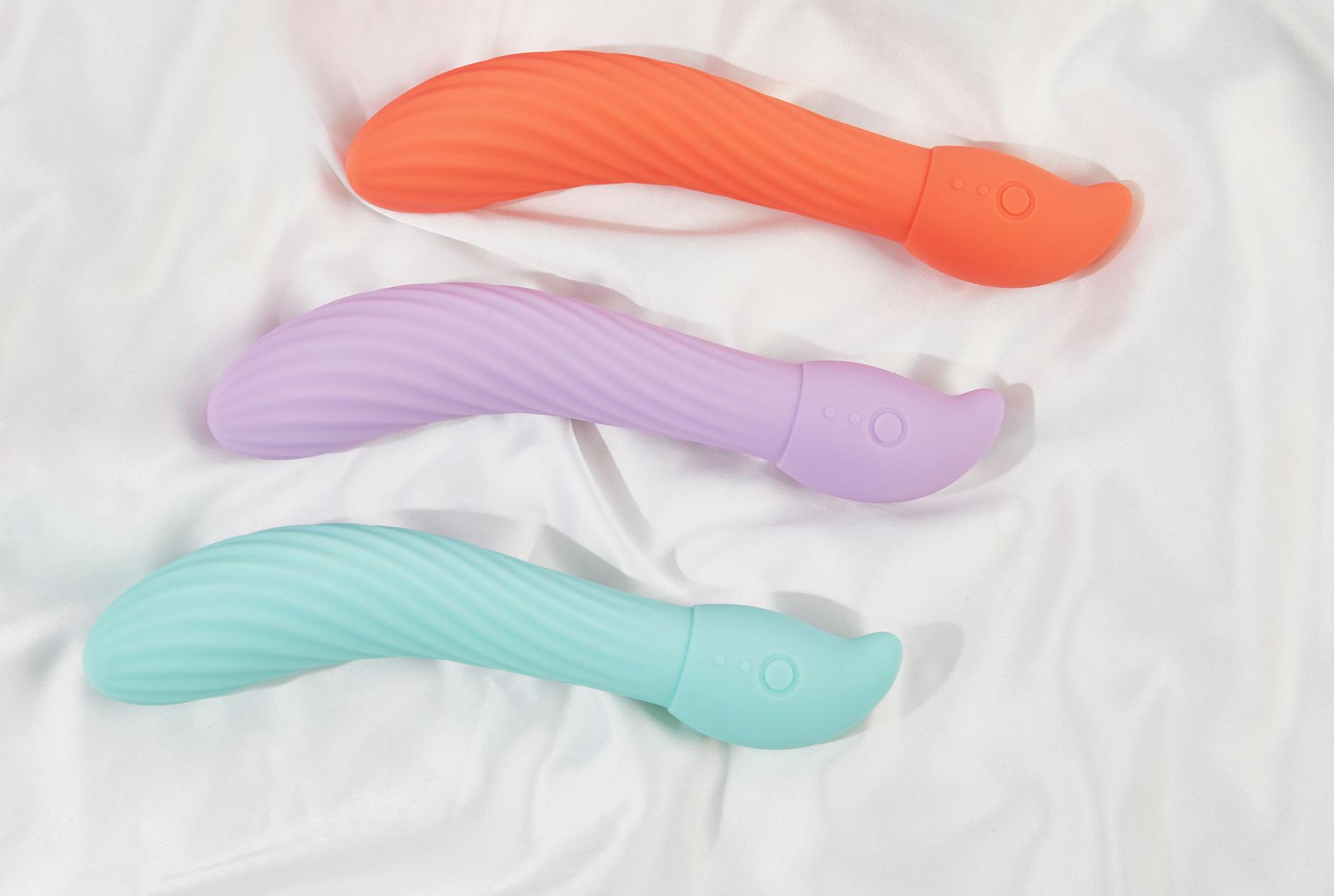
Lemon vibrators, including the signature Lem vibrator from Hello Nancy, use suction and rhythmic pulses rather than simple vibration. This matters when you're working with medication-dampened sensation because suction stimulates a different set of nerve fibers than traditional vibration does.
Here's the mechanism: clitoral sensation involves multiple nerve pathways. SSRIs primarily affect fine-touch sensitivity and the brain's processing of subtle stimuli. Suction-based devices like lemon sexual toys activate deeper pressure receptors in addition to surface nerves. You're essentially recruiting more neural real estate to create a more noticeable signal.
Many of my clients report that lemon adult toys produce orgasms when no other method has worked since starting medication. This isn't placebo. It's biomechanics meeting neurochemistry.
Starting the practice after months or years without sensation
If you've been numb for a while, your nervous system has adapted to that state. Rebuilding sensation takes intentional, repeated stimulation. Here's how to structure it.
Week one and two: Low pressure, long sessions. Spend 20 to 30 minutes with your Lem vibrator on the lowest setting. The goal is not orgasm. The goal is to reintroduce stimulus and let your nervous system remember what subtle pleasure feels like. You might feel almost nothing at first. That's normal. Your brain is rebuilding the pathway.
Week three and four: Add movement and variation. Use different patterns. Shift position. Notice what creates a tiny shift in sensation, even if it's not intense. This is where the practice becomes meditative rather than goal-oriented.
Week five onward: Introduce higher intensities. Once you've spent a month retraining your baseline, your nervous system is more responsive. Now you can move to higher settings on your lemon clitoral vibrator and actually register the difference.
The entire process typically takes 6 to 12 weeks. Some people recover sensation faster, especially if they've only been on medication for a short time. Others take longer. The variable is not willpower. It's individual neurochemistry and how long the medication has been dampening your system.
Pairing intentional practice with conversation
If you have a partner, this recovery period needs its own conversation. The worst approach is to secretly try to "fix" your pleasure response without explanation. Your partner might interpret slow progress or initial numbness as lack of interest in them. That misunderstanding derails both of you.
Here's what actually helps: "I'm noticing antidepressants have shifted my sensation. I'm working on rebuilding that, and it might take a few weeks. Here's what I'm going to try." Then invite them into the process if you want. Not as a therapist. As a witness.
Many partners find this honest approach actually increases intimacy. You're not pretending everything is fine. You're both working on something real together.
When numbness might signal something else
If you've been on the same SSRI for over a year and sensation hasn't improved even with consistent practice, talk to your prescriber about adjusting timing. Some people take their dose at night instead of morning, which shifts when peak drug levels coincide with sexual activity.
Other options include adding bupropion (Wellbutrin), which works on different neurochemistry and can restore sensation, or switching to a different class of antidepressant like mirtazapine, which is less likely to cause sexual side effects. These are legitimate medical adjustments, not admissions of failure.
If you started antidepressants and numbness appeared immediately but then didn't improve, that's also worth flagging. Some people's bodies adapt and sensation returns after 4 to 6 weeks. If it hasn't, your particular brain chemistry might need a different medication.
The dopamine bridge
Here's something that helps: dopamine directly opposes the sexual dampening effect of excess serotonin. Activities that boost dopamine without requiring sexual function can actually help. Regular exercise, novelty, focused attention, and accomplishment all spike dopamine.
This is why lemon vibrators sometimes work better when you're also doing other things to restore your nervous system's baseline. You're not just using a device. You're creating conditions where sensation can return.
Pleasure is not a side effect you have to accept
The narrative around antidepressants and sex is often "you have to choose between your mental health and your sex life." That's false. You get to have both. It requires intention, sometimes medication adjustment, and the right tools. Lemon adult toys are one of those tools because their mechanism actually targets the specific numbness that antidepressants create.
Recovery is not instantaneous. But it's consistent. Most of the people I work with who've stayed committed to the practice report meaningful sensation return within 8 to 10 weeks. Some get there faster. The ceiling on your pleasure is not capped by medication. You're just rebuilding the bridge to it.
People also ask
Can you have orgasms while taking antidepressants?
Yes, many people do. About 40 to 60 percent experience some sexual side effect, which means 40 to 60 percent don't, or experience minor changes they adapt to. For those who do experience numbness, orgasms are still possible, just often delayed or less intense. The recovery practice with tools like lemon vibrators specifically helps rebuild that orgasm capacity. You're not permanently broken. You're temporarily recalibrating.
How long does it take for pleasure to come back after starting antidepressants?
Some people experience sexual side effects within days of starting, others within weeks. The timeline varies wildly by individual, dose, and which SSRI you're taking. If numbness appears, it often plateaus within 6 to 8 weeks. The hopeful part: for many people, sensation naturally improves slightly after 2 to 3 months as the body adjusts. Adding intentional practice with a lemon clitoral vibrator accelerates this natural recovery by weeks.
Is it better to use lemon vibrators solo or with a partner when rebuilding sensation?
Both have merit. Solo practice gives you complete control, no performance pressure, and the ability to focus entirely on what your body is feeling. Partner-involved practice can rebuild emotional intimacy and help you communicate about sensation changes. Many people benefit from alternating between the two, or starting solo for the first 3 to 4 weeks, then gradually including their partner once sensation has started to return. The key is what feels least pressured for you.
Should you switch antidepressants because of sexual side effects?
Not necessarily as a first step. Try adjusting timing, adding a complementary medication, or using targeted tools like lemon sexual toys first. If those don't create meaningful progress after 8 to 12 weeks, then yes, talk to your prescriber about switching. Some SSRIs are also less likely to cause sexual side effects than others. Sertraline and paroxetine are more notorious for this effect than escitalopram. Your doctor can discuss which medication might work better for your body.
Can lemon vibrators help with desire loss from antidepressants, or just sensation?
Lemon vibrators address sensation and the capacity for orgasm more directly than raw desire. That said, there's a connection. When you use your Lem vibrator and actually experience pleasure and orgasm again, that success often naturally rebuilds desire. You're not thinking about it abstractly. You're remembering what it feels like. For some people, that embodied remembering is the bridge back to wanting sex in the first place.
What if numbness doesn't improve with practice and lemon vibrators?
Then talk to your doctor. You have legitimate options. Medication timing adjustments, adding bupropion to your regimen, or switching to a different antidepressant can all make a real difference. Sexual function is a quality-of-life metric, not a luxury. Your prescriber should take it seriously. If they don't, seeking a second opinion from another psychiatrist is completely reasonable.
Your pleasure matters. Your mental health matters. You don't have to choose between them. With the right information and tools, you can have both.