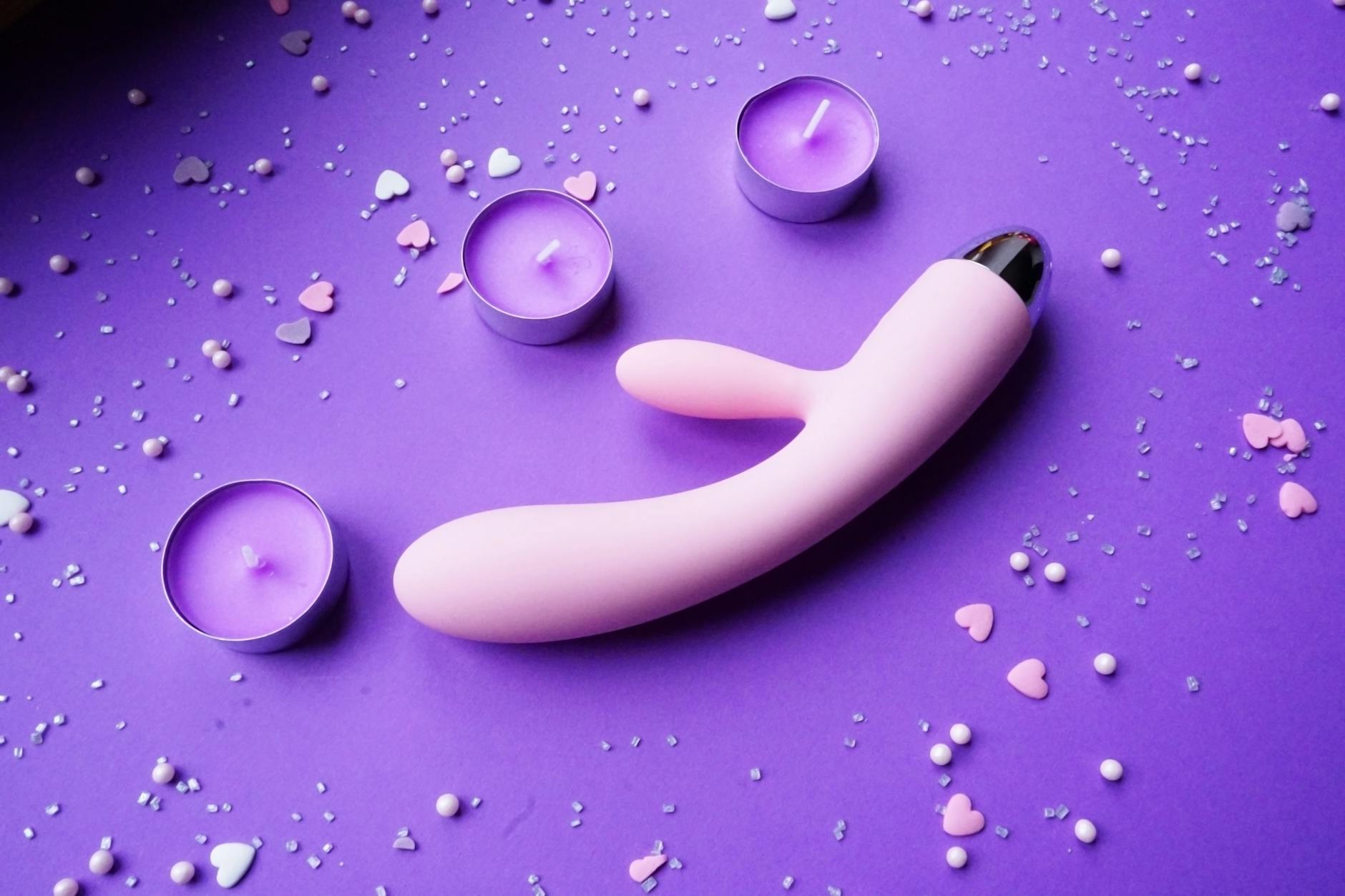
Let's talk about sensitivity
If you've ever felt like clitoral vibrators are too intense, too direct, or just plain uncomfortable, you're not alone. And here's the thing: you're probably not broken. You might just need a different kind of stimulation.
The clitoris is wildly sensitive. It has roughly 8,000 nerve endings packed into a small area, which is fantastic for pleasure but means the type of stimulation matters enormously. Most traditional vibrators deliver rapid, direct vibration to a concentrated point. For some people, that's perfect. For others, it feels like holding a jackhammer.
Lemon vibrators, which use suction technology rather than pure vibration, work differently. They create a gentle pulling sensation across a broader surface area. The difference in how your body experiences these two types of stimulation is neurological, not psychological.
How vibration and suction work on different nerve pathways
Your clitoris has two main types of sensory nerves. Meissner's corpuscles respond to light touch and changes in pressure. Pacinian corpuscles respond to vibration and deep pressure. Traditional vibrators primarily activate Pacinian corpuscles with rapid oscillation. If you have sensitive nerve endings that fire easily or if those specific pathways are hyperactive, the result is overstimulation before you even get close to pleasure.
Suction-based lemon clitoral vibrators activate both pathways, but more evenly. The rhythmic pulling sensation engages the pressure-sensing nerves without the relentless micro-vibrations. It's the difference between someone tapping your shoulder repeatedly versus gently squeezing it. Both are touch. Neither is better. But they feel completely different, and one might work for your nervous system where the other doesn't.
This is why people often say suction toys feel "softer" or "less sharp" even though they're not technically less intense. The stimulation is distributed differently across your nerve network.
The anatomy that makes lemon vibrators gentler
The design of most lemon vibrators creates a seal around the clitoral area rather than targeting a single point. This matters because:
First, the stimulation spreads across the visible part of the clitoris and the surrounding vulva, not drilling down on the clitoral head where the highest concentration of nerve endings sits. Second, the suction pull works rhythmically in cycles. You get stimulation, then a brief rest, then stimulation again. That rhythm prevents the numbing effect that can happen with uninterrupted vibration. Third, the sensation travels inward and outward rather than side to side, which mirrors natural arousal responses more closely.
If you've ever noticed that a vibrator works great for 30 seconds and then suddenly stops working, you've experienced sensory adaptation. Your nerves are firing constantly at the same intensity, so your brain stops registering the signal. Suction toys, because they pulse, tend to maintain sensation longer.
Who tends to need gentler clitoral stimulation
There are several groups of people who often find traditional vibrators overwhelming:
People with naturally high nerve sensitivity. Some of us are just wired that way. It's not a flaw. It's a difference. Your nervous system responds more readily to input, which can mean more pleasure but also more overstimulation risk. A lemon vibrator's broader approach suits this nervous system better.
People with vulvodynia or other chronic pain conditions. If your clitoris is already irritated or in pain, direct vibration can feel inflammatory. Suction toys cause less localized pressure.
People early in their pleasure journey. If you're learning your body for the first time or returning to pleasure after a gap, gentler entry points help. A lemon clitoral vibrator's learning curve is kinder.
People on certain medications. Some antidepressants, stimulants, and hormonal treatments change nerve sensitivity. If your medication makes everything feel numb or oversensitive, switching toy type can help compensate.
People post-menopausal or with hormonal changes. Lower estrogen means thinner clitoral tissue and sometimes more sensitivity, not less. Suction distributes pressure more evenly across that vulnerable tissue.
How to know if you're sensitive (and what to do about it)
You might have sensitive sensations if:
Traditional vibrators feel numb or overwhelming within a few minutes. You prefer external touch over penetration. You enjoy light touch or massage more than pressure. You experience discomfort from friction easily. You find yourself tensing your body during sexual activity to manage intensity.
If any of these land, here's what helps:
Start with a lower intensity setting. Most lemon vibrators have speed patterns. Spend time on pattern one before advancing. Keep a good water-based lubricant on hand, even if you don't think you need it. Lubrication lets sensation move smoothly instead of creating friction that reads as pain or numbness. Take breaks. Pleasure is not about endurance. If sensation drops, pause for 30 seconds and restart. Use your hands in combination. Manual stimulation plus a lemon vibrator creates different nerve activation than either alone.
The science of why broader stimulation feels better for sensitive people
This comes down to something called "spatial summation." Your nervous system can handle more total input if that input is spread across a larger area. It's why a punch feels worse than a palm spread across the same amount of force. A lemon vibrator spreads its stimulation across more tissue, allowing you to experience intensity without the sharp, concentrated overload.
There's also what's called "temporal summation," which is about timing. Because suction toys pulse, they give your nervous system time to reset slightly between cycles. This is genuinely restorative. Your nerve endings don't fatigue as quickly.
The combination of these two factors (broader spatial distribution plus rhythmic timing) is why so many sensitive people report that lemon vibrators feel like the first toy that actually works for them. It's not that they're less intense. It's that the intensity is arranged in a way your specific nervous system can process into pleasure.
What to expect when you switch to suction
If you're coming from traditional vibrators and trying a lemon vibrator for the first time, set realistic expectations.
Day one might not feel earth-shattering. Your body is used to a certain input type. Suction requires you to build sensitivity to a new sensation. Give it three to five sessions before deciding if it's right for you. The orgasms that arrive from suction toys often feel different: sometimes more internal, sometimes more full-body, sometimes more rolling. Different does not mean worse. It just means your nervous system is processing things in a new way.
You might also notice that you can enjoy longer sessions without fatigue. This is one of the biggest benefits people report. Traditional vibrators burn you out. Suction toys let you explore for longer without hitting that numbness wall.
Combining suction with other tools
One of the smartest moves with a lemon vibrator is pairing it with other forms of stimulation. Light pressure from your fingers on surrounding areas. Pelvic floor engagement or release. Breathing patterns that shift how your nervous system perceives intensity. If your partner is involved, they can add manual touch that the toy isn't providing.
This is genuinely different from using a traditional vibrator alongside other touch. Because suction toys don't monopolize all your nerve attention, there's room in your nervous system for additional input without it feeling like chaos. You can layer sensations in a way that feels coherent rather than overwhelming.
The role of anxiety in sensitivity
Here's something most toy guides don't mention: anticipatory anxiety about intensity can create real sensitivity. Your nervous system fires up in defense before the toy even touches you. Once you're in that state, everything feels more intense because you're already activated.
A lemon vibrator's gentler approach can break this cycle. Less intensity means less to brace against. Lower stakes help your nervous system relax. The first time an experience doesn't feel overstimulating, something shifts. Your body learns it's safe. That learned safety is powerful.
If you're sensitive and anxious about pleasure, this matters. You might need to start with intensity level one and stay there for three sessions even if it feels too gentle. Let your nervous system get bored. Once it's truly bored, you can increase. This is slower than chasing maximum intensity from day one, but for sensitive people, slower builds better long-term pleasure.
People also ask
Q: Can a sensitive clitoris still have intense orgasms?
A: Absolutely. Sensitivity and intensity are different things. A sensitive clitoris responds readily to input, which means smaller gestures can trigger bigger responses. This often leads to more frequent or stronger orgasms, not weaker ones. The key is matching the type of stimulation to your wiring. A lemon vibrator often unlocks more intense responses in sensitive people than vibrators that caused overstimulation.
Q: Is clitoral sensitivity permanent or does it change?
A: It can shift. Hormonal changes, stress, medication, pelvic floor tension, and even confidence affect sensitivity. Your baseline wiring might be sensitive, but the expression of that sensitivity is fluid. You might be more or less sensitive at different life stages. Regular self-exploration helps you tune in to what's true right now.
Q: Should I avoid vibrators entirely if I'm sensitive?
A: Not necessarily. Some sensitive people do beautifully with certain types of vibrators. The question is whether the vibration pattern works for your nervous system. High-frequency vibrators sometimes feel better than low-frequency for sensitive people because they create a different sensation. Lemon vibrators are one answer, not the only answer. Experimentation is key.
Q: Can you build tolerance to suction toys?
A: You can experience sensory adaptation to any tool with overuse. The best practice is to use your toys intentionally rather than daily. A few sessions a week gives your nervous system time to restore sensitivity. Quality over frequency produces better long-term pleasure.
Q: What lubricant works best with lemon vibrators for sensitive skin?
A: Water-based lubricants are the safest choice for sensitive vulvas. They wash away cleanly and don't trap bacteria. Hypoallergenic formulas minimize the risk of irritation. Apply generously. For sensitive people, smooth gliding is essential to avoid the friction that reads as pain.
Q: How is suction different from a regular vibrator during different phases of my cycle?
A: Sensitivity naturally shifts across your cycle. You're generally more responsive during ovulation and less sensitive before your period. A lemon vibrator's adjustable intensity settings let you match your shifting needs without changing tools. This is one of its biggest practical advantages for sensitive people who menstruate.
The takeaway
Sensitivity is not a problem to solve. It's information about how your nervous system works. The right tool honors that wiring rather than fighting it. Lemon vibrators, with their suction-based approach and rhythmic pulsing, often deliver exactly that honoring. If traditional vibrators have left you feeling broken or shut down from pleasure, it might simply be time to try a different approach. Your clitoris knows what it needs. Sometimes it just takes the right tool to listen.