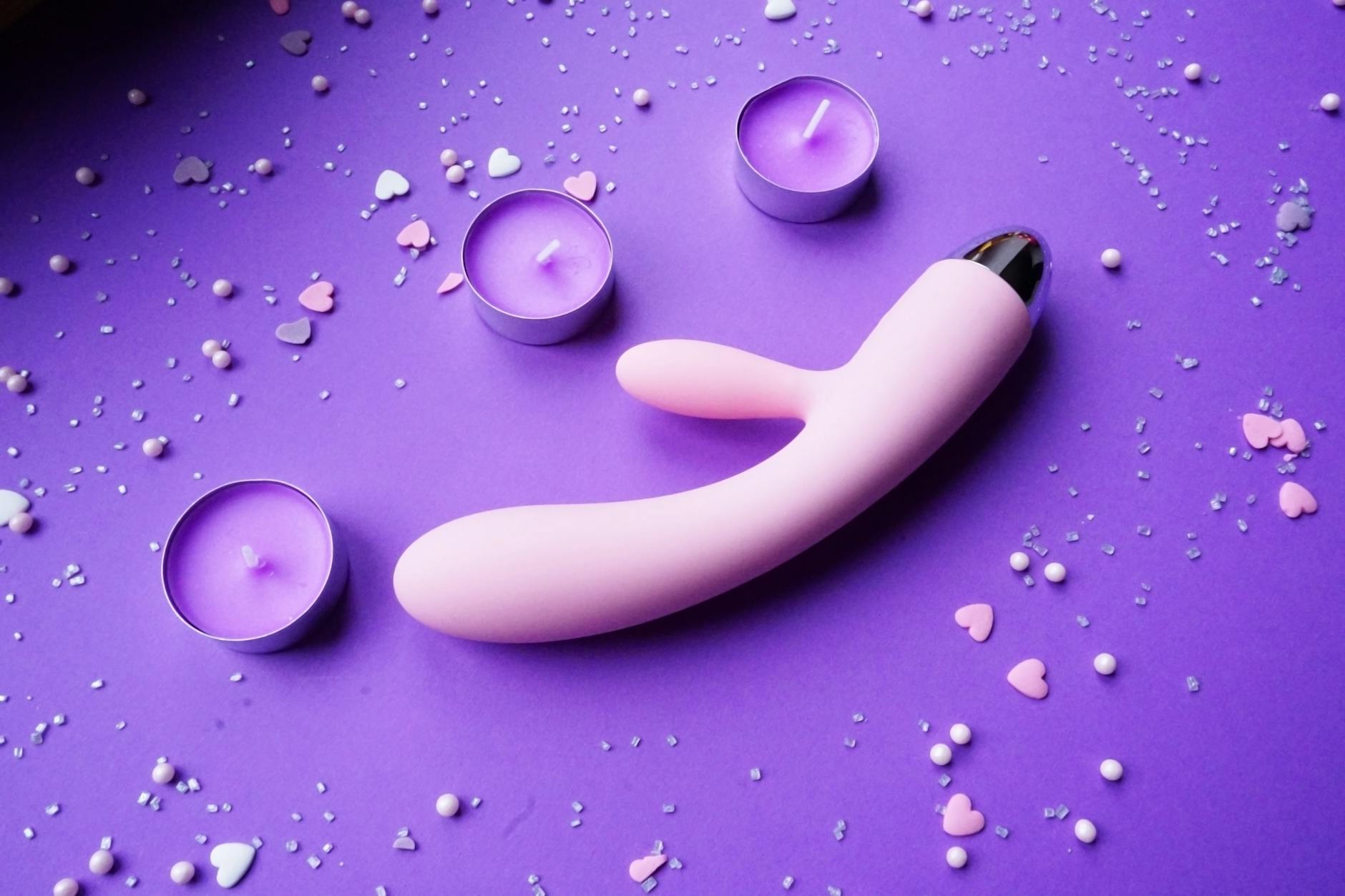
Here's the thing about birth control and sensation
You switched pills. Or you stopped taking hormones altogether. Or you went from the copper IUD to hormonal contraception. And suddenly, things feel different down there. Maybe lemon vibrators feel less intense. Maybe you need more time to warm up. Maybe your pleasure threshold has shifted in ways that feel confusing or frustrating.
You're not imagining it. Your body isn't broken. What's happening is that the hormonal architecture your nervous system has been operating under for months or years just reorganized itself.
How birth control rewires your sexual response
Hormonal birth control (the pill, patch, ring, implant, hormonal IUD) works by flooding your system with synthetic or bioidentical hormones. These aren't just preventing ovulation. They're changing blood flow, tissue sensitivity, lubrication production, and how your dopamine and oxytocin receptors respond to touch.
When you're on hormonal contraception, your estrogen and progesterone levels stay artificially steady. Your body adapts to this new baseline. Your clitoral tissue adjusts its blood flow patterns. Your vaginal lubrication ramps up or down to match the new hormone profile. Your pelvic floor muscles tone shifts slightly. Even your brain's reward system recalibrates around these constant hormone levels.
Then you change something. Stop the pill. Switch from one formulation to another. That steady-state your nervous system relied on disappears. Your body now has to relearn how to respond to stimulation under a completely different hormonal weather.
This is why lemon vibrators—and all clitoral toys—can suddenly feel unfamiliar. It's not the toy. It's the terrain.
What happens when you start hormonal birth control
The first three months on the pill, most people experience one of two scenarios. Some find that sensation dulls slightly. This happens because synthetic progesterone can suppress dopamine, the neurotransmitter tied to desire and reward. Higher progesterone also increases blood viscosity (thickness), which can mean slightly less engorged clitoral tissue and a slower warm-up.
Others experience the opposite: heightened sensation. This typically happens with pills that have higher estrogen ratios, which increase clitoral blood flow and tissue sensitivity. You might find that a lemon vibrator that felt perfect suddenly feels too intense. You need lower settings. You need to back off and let arousal build more slowly.
The wild part is that after three to six months, many people stabilize. Your body finds its new normal. The sensation that felt off in week two feels completely natural by month four.
What happens when you stop or switch
Stopping hormonal birth control is like your body hitting a reset button. Estrogen and progesterone levels drop sharply. Your ovulation cycles restart. Blood flow redistributes. Clitoral engorgement during arousal can feel faster or slower depending on where you are in your cycle.
In the first week after stopping, many people report that stimulation feels sharper, almost raw. This is partly because your clitoral tissue has been operating in a suppressed state. Without synthetic hormones dampening it, sensation can feel heightened or even uncomfortable.
Switching between contraceptive methods creates a different effect. Moving from the pill to the IUD (hormonal or copper) means your body is no longer getting a steady daily hormone dose. If you're switching to a copper IUD, you lose all the hormonal regulation—your cycles restart immediately, which means your sensation profile changes every week depending on where you are in your cycle. A lemon vibrator that felt perfect during ovulation might feel too intense or too numb during your period.
Why different formulations feel different
Not all birth control pills are the same. A pill with 30 micrograms of ethinyl estradiol creates a different sensation profile than one with 20 micrograms. Progestin type matters too. Some progestins (like norethindrone) are less mood-suppressing but also less effective at managing libido dips. Others (like drospirenone) are better at hormone balance but can feel more dampening to sensation.
If you've switched pills and lemon vibrators suddenly feel different, ask your doctor which progestin and estrogen dose you're on. A simple switch to a different formulation—sometimes just changing the estrogen dose by 10 micrograms—can restore the sensation profile you had before. You might not need a new toy. You might just need a different prescription.
The timeline for adaptation
Most people need four to six weeks to fully adapt to birth control changes. During this time, your body is recalibrating. Stimulation might feel inconsistent—responsive one day, numb the next. This is normal. Your nervous system is relearning how to translate touch into pleasure under new hormonal conditions.
Here's what helps during the adaptation period:
Extend your warm-up. Give yourself 15 to 20 minutes of arousal building before you use any toy. This isn't wasted time. This is your body catching up.
Start with lower settings. If you're using a lemon vibrator or other clitoral toy, begin at the lowest pattern or intensity and gradually increase. Your tissues might need more time to build engorgement.
Use lubricant intentionally. Birth control changes can shift how much natural lubrication your body produces. Water-based lube isn't a sign that something's wrong. It's a tool. Use it generously.
Track your cycle if you're off hormones. If you've stopped the pill, your sensation will change across your cycle. During ovulation, estrogen peaks and clitoral sensitivity ramps up. During your luteal phase, progesterone rises and sensation often feels more muted. A lemon vibrator might feel perfect mid-cycle and feel too strong or too weak at other times. This is expected. Plan accordingly.
When to check in with a doctor
If changes in sensation last longer than eight weeks, talk to your prescriber. Persistent numbness, pain, or complete loss of arousal isn't a normal adjustment period. It might mean:
Your current birth control formulation is a poor fit. A different progestin or estrogen dose might restore your baseline.
You're experiencing a side effect that deserves attention. Some people shouldn't be on certain contraceptives. That's not a failure. That's useful information.
Something else is happening—stress, relationship changes, or another health factor—that's independent of birth control. A good conversation with your doctor can help sort that out.
How to reconnect with pleasure during the transition
Between you and me, the most helpful thing you can do is release the expectation that pleasure should feel the same. It won't. That's not loss. That's change.
Instead of trying to recreate what you felt on your old contraception, explore what feels good now. This is actually a gift, even if it doesn't feel like one. You get to rediscover your body. Lemon vibrators, partnered touch, solo exploration—all of it offers new information about what you're responsive to now.
If you had a favorite setting on a clitoral vibrator before your birth control change, it might not be your favorite now. That doesn't mean you need a new toy. It means you get to play around and find what works for your body in its current state.
FAQ: Birth Control, Sensation, and Clitoral Vibrators
How long does it take to adjust to a new birth control method?
Most people need four to eight weeks for their body to fully adapt. During this time, sensation might feel inconsistent. By week eight, your nervous system typically reestablishes its baseline and things feel more predictable. If changes persist beyond two months, check in with your doctor.
Can switching from one pill to another really change how my lemon vibrator feels?
Absolutely. Even a small change in estrogen or progestin type can shift clitoral blood flow, tissue sensitivity, and warm-up time. If you switched pills recently and sensation feels off, ask your prescriber what changed in the formulation. A simple adjustment might solve it.
Why does my lemon vibrator feel too intense after I stopped the pill?
Stopping hormonal birth control removes the hormonal suppression your body adapted to. Clitoral tissue, in particular, can feel hypersensitive for the first few weeks because it's no longer being dampened by synthetic hormones. This usually settles down after four to six weeks as your body readjusts to its natural hormone cycle.
Does the copper IUD affect pleasure differently than the hormonal IUD?
Yes. The copper IUD is completely non-hormonal, so your body operates under your natural hormone cycle. This means sensation shifts across your menstrual cycle—more responsive during ovulation, less during your period. The hormonal IUD releases a small amount of progestin directly into your uterus, which usually means more stable sensation across the month. Both are normal. The difference is which hormonal baseline you prefer.
Can birth control changes permanently reduce my ability to orgasm with a clitoral vibrator?
Rarely. If orgasm difficulty persists beyond eight weeks after a birth control change, it's usually not the contraception itself. It's more likely stress, relationship factors, or another medication. Talk to your doctor. A simple change in contraceptive formulation often restores baseline sexual response. Clitoral sensitivity doesn't disappear because of birth control. It adapts.
What should I do if I feel numb after starting birth control?
First, give it time. The first four to six weeks are adjustment. Extend your warm-up period, use lubricant, and start at lower intensities with any toy. If numbness continues after two months, ask your doctor about switching to a different formulation. Some progestin types are more suppressing than others. A different pill might restore sensation without requiring you to change your contraception entirely.
The bottom line
Birth control changes reshape your sexual response. That's not a bug. That's how your body works. A lemon vibrator that felt perfect on your old pill might need recalibration on the new one. Your warm-up might need to be longer. Your favorite pattern might shift. None of this means you're broken or that your pleasure is gone.
What it means is that you have new information about your body. Use it. Adapt. Explore. And if something feels persistently wrong, your doctor is there to help you find a contraceptive method that works for your life and your pleasure. You deserve both.
If you're navigating these changes with a partner, how you communicate about what feels different matters more than you'd think. Pleasure is a conversation, not a fixed setting.
Need help choosing a clitoral vibrator that works for your body right now? Check out our buying guide or reach out to our team at /contact.