The vibrator problem nobody talks about
Most clitoral vibrators are loud, aggressive, and designed like tiny jackhammers. They work by sending rapid pulses straight into delicate tissue, which can feel overwhelming, numbing, or even painful if you have sensitive skin. But here's what many people don't realize: there's a completely different technology that works better for sensitive tissue, and it's been around longer than you'd think.
What makes lemon vibrators different
Unlike traditional vibrators, lemon vibrators use air-suction technology instead of direct vibration. Instead of mechanical buzz, they create a gentle pulsing sensation that stimulates the clitoris without direct friction. It sounds subtle on paper, but the experience is wildly different.
Think of it this way: a regular vibrator is like someone tapping your arm repeatedly. A lemon clitoral vibrator is like someone gently pressing and releasing. One is percussion. The other is compression and release. Your sensitive tissue responds completely differently to each.
Why suction is gentler on delicate skin
Your clitoris has about 8,000 nerve endings concentrated in a tiny area. When you expose that many nerves to rapid, direct vibration, they can become fatigued or oversensitized. Suction technology distributes stimulation differently.
Instead of hitting one spot with thousands of micro-impacts per second, suction creates a gentle vacuum effect that engages the whole clitoral structure, including the internal parts you can't see. This spreads the stimulation across more nerve pathways, which means:
- Less localized pressure on one sensitive spot
- More consistent, buildable sensation
- Reduced risk of nerve fatigue or numbness
- Better results for people with thin or fragile tissue
This is why dermatologists and sex therapists often recommend suction-based toys to people with vulvovaginal atrophy (common after menopause), lichen sclerosus, or any condition that makes direct friction uncomfortable.
The material science behind hello nancy products
But gentleness isn't just about the technology. It's also about what the toy is made from.
Most budget vibrators use cheap silicone or rubber that can irritate skin. Lemon vibrators are made from medical-grade silicone, which is:
- Non-porous (doesn't trap bacteria)
- Hypoallergenic (won't trigger reactions)
- Smooth and consistent in texture
- Free from phthalates, BPA, and latex
Medical-grade silicone doesn't degrade or leach chemicals into your skin over time. It also doesn't absorb odors, get sticky, or develop that weird residue that cheaper toys get after a few months. For sensitive skin, this matters more than people realize.
If you're considering any clitoral vibrator, checking the material is as important as checking the stimulation pattern. Hello Nancy products are all medical-grade silicone, which is the standard we use across our entire collection.
Who benefits most from this design
Lemon vibrators aren't just for people with diagnosed sensitivity issues. They work particularly well for:
People in perimenopause or post-menopause. Hormonal shifts thin vaginal and clitoral tissue, making direct vibration uncomfortable. Suction is often the first thing that feels good again.
People who experience numbness. If you've been using traditional vibrators for years and nothing feels as intense, you might have nerve desensitization. Switching to suction technology can reset sensitivity and bring back more nuanced sensation.
People with vulvovaginal conditions. Lichen sclerosus, lichen planus, contact dermatitis, and other inflammatory conditions often make vibration painful. Suction feels completely different and is usually better tolerated.
People who just prefer gentler stimulation. Not everyone wants a powerful vibrator. Some people find the intensity of traditional vibrators overwhelming or distracting. If that's you, suction is more natural.
People with anxiety around sensation. If you tend to tense up during sex or have trauma history, the predictable, controllable sensation of suction-based toys often feels safer and less jarring than vibration.
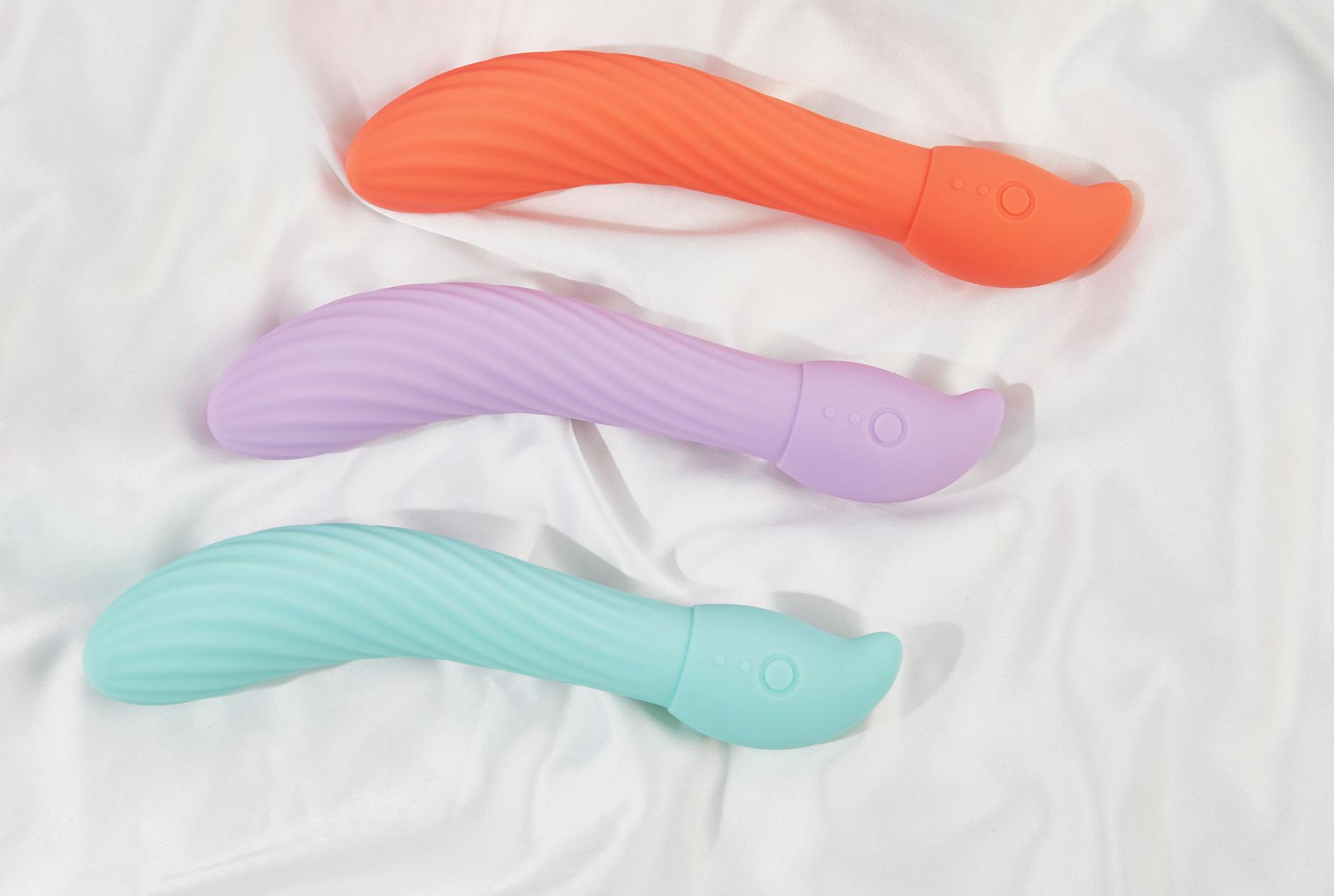
Photo by IFONNX Toys on Pexels
How to transition if you're used to traditional vibrators
If you've been using high-powered vibrators and you're switching to a lemon clitoral vibrator, the experience will feel different at first. That's normal.
Start at the lowest intensity setting and give yourself at least three or four sessions before judging whether you like it. Your nerve endings need time to adjust. Many people report that after a week or two, they prefer lemon vibrators because the sensation feels more sustainable and less exhausting.
One tip: make sure you have adequate lubrication. Suction-based toys work better with a little extra slip, especially if your tissue is already on the drier side. Water-based lube is your friend here.
If you've been numb from years of high vibration, expect a gradual return to sensitivity. You might not feel much in the first session, but by session three or four, things start waking up. That's actually a sign the technology is working.
The science of why suction feels different to your brain
This isn't just a physical difference. It's neurological too.
When your brain experiences a new type of sensation, it has to recalibrate what "pleasure" means. Traditional vibrators train your nervous system to expect rapid, high-frequency stimulation. Suction trains it differently. It teaches your body to respond to gentler pressure and pulsing rhythm instead of speed.
For some people, this recalibration is instant and wonderful. For others, it takes a few sessions. Both are completely normal. The key is giving your body time to adjust rather than comparing it directly to what you're used to.
Many clients of mine have found that after switching to lemon vibrators, they're more orgasmic overall, have longer lasting sensation, and actually feel more connected to their body rather than numb. That's the neurological effect of a gentler approach.
Comparing suction to vibration: which is right for you
If you're trying to decide between suction and vibration, read our detailed comparison on suction vs vibration clitoral toys. But here's the quick answer: if you have sensitive skin, are recovering sensation, or prefer a more predictable and sustainable sensation, suction wins. If you like high intensity and want something you can use very quickly, traditional vibration might still be your answer.
Most people benefit from having both in their collection. A lemon clitoral vibrator for everyday pleasure and exploration, and maybe a more powerful toy for sessions when you want something different.
Caring for sensitive-skin-friendly toys
One reason lemon vibrators are better for sensitive skin is how easy they are to maintain. Medical-grade silicone is non-porous, so bacteria and debris don't get trapped in tiny cracks like they do with cheaper materials.
Just wash with warm soapy water after each use, or use a toy cleaner. That's it. No special maintenance, no degradation over time. The material stays smooth and skin-safe for years.
Real talk about sensitivity and pleasure
Honestly, the most important thing I can tell you is this: if traditional vibrators don't feel good on your skin, that's not a personal failure. It's not that you're "broken" or "too sensitive." It means you haven't found the right tool yet.
Lemon vibrators exist because suction technology works for a lot of people that conventional vibration leaves frustrated. Your pleasure matters. Your comfort matters. It's worth exploring options until you find what actually feels good in your body, not what you think you're supposed to like.
Want to understand more about how your body responds to different stimulation? Check out why lemon vibrators feel different during different phases of your cycle. Understanding your own patterns takes the guesswork out of pleasure.
FAQ
Are lemon vibrators safe for people with sensitive skin conditions?
Yes, but check with your doctor first if you have an active inflammatory condition like lichen sclerosus or lichen planus. Suction technology is generally better tolerated than direct vibration for these conditions, but every person is different. A gynecologist familiar with your specific diagnosis can give you personalized guidance. Once you get the green light, medical-grade silicone and gentle suction make lemon vibrators one of the safest options available.
Will a lemon vibrator feel less intense than a regular vibrator?
Different, not necessarily less intense. Suction creates a unique type of stimulation that many people find more intense than vibration, just in a different way. It feels more integrated and whole-body rather than localized. Some people find the sensation builds to stronger orgasms. Others prefer it because it's intense without being jarring. You'll know once you try it.
How do I know if I have tissue sensitivity?
Signs include discomfort or pain during penetration, burning sensation with lubricant or toys, tissue that looks visibly thinner or pale, itching or dryness that doesn't improve with regular lube, or numbness when using traditional vibrators. If you're experiencing any of these, mention it to a gynecologist before trying new toys. They can rule out conditions that need treatment and give you confidence to explore.
Can I use a lemon vibrator after giving birth?
Wait at least six weeks post-vaginal delivery, longer if you had tearing or an episiotomy. When you're cleared by your doctor to resume sexual activity, suction-based toys are often gentler on healing tissue than vibration. Start slow, use plenty of lube, and stop if anything feels painful. Your body will tell you if it's ready.
Do lemon vibrators work if you take medications that affect sensation?
Many medications (antidepressants, antihistamines, blood pressure meds) can numb sensation. Suction technology is often easier to feel through medication-related numbness because it engages more of the clitoral structure. That said, if numbness is significant, the toy isn't the limiting factor. Talk to your doctor about whether your medication dose can be adjusted or timed differently. Sometimes a small change makes all the difference.
How do I clean a lemon clitoral vibrator to keep it safe for sensitive skin?
Wash with warm soapy water and dry completely before storing. For deeper cleaning, use a toy cleaner or a mix of water and a tiny drop of unscented dish soap. Never use harsh chemicals, alcohol, or antibacterial products, which can irritate skin. Medical-grade silicone is non-porous, so soap and water is genuinely enough. Store in a clean, dry place away from direct sunlight, which can degrade silicone over time.
What's next
If you're curious about trying a lemon clitoral vibrator for the first time, start with the lowest setting and give yourself at least three sessions before deciding if it's for you. Your body is learning a new language. Be patient with it.
Honestly, the best toy is the one that makes you feel good without causing pain or discomfort. If that's a lemon vibrator, great. If it's something else, that's fine too. Your pleasure is worth exploring, and that exploration is never wasted time. If you have questions about what might work for your body, reach out to us at Hello Nancy. We're here to help.