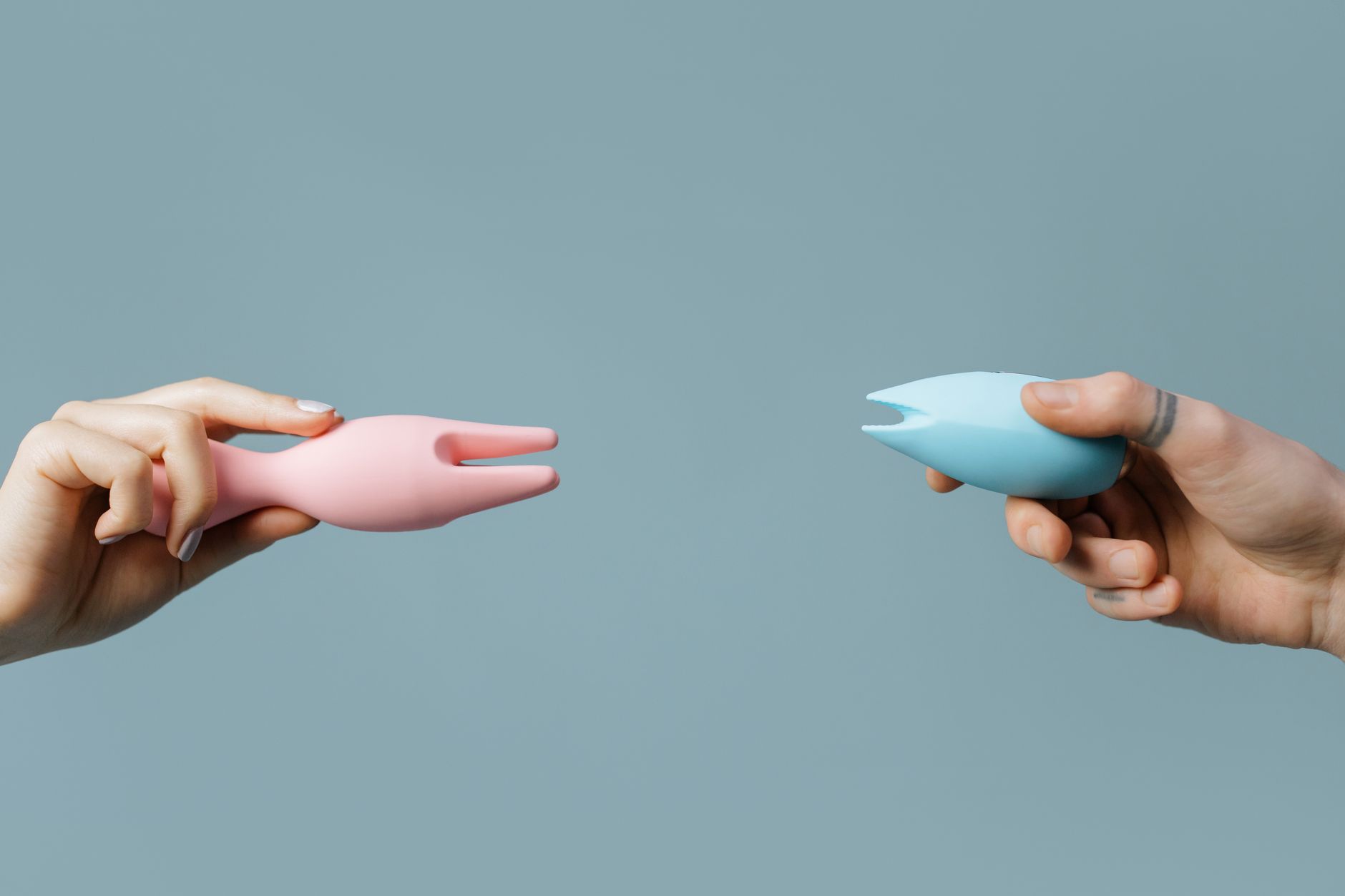
The invisible friction nobody talks about
Your partner is in another city. Again. And you're sitting with this weird dual sensation: relief at the quiet, and a low-level hum of disconnection that doesn't have much to do with sex, but affects it anyway.
Long-distance, even temporary long-distance, rewires intimacy. The spontaneity vanishes. The casual touch disappears. And if your sex life relied on proximity, it can feel like you're both on pause. Most couples don't name this directly. They just let it happen, then scramble to reconnect when someone comes home.
Here's the thing nobody tells you: solo pleasure isn't a substitute for partnered sex. It's the thing that keeps you from drifting while apart.
Why your nervous system needs continuity
When your partner is gone, your body shifts into a different baseline. Cortisol rises slightly. Touch decreases. Dopamine dips. Months of frequent travel can actually reset your sexual responsiveness downward. Your body gets quieter.
Now throw in the complexity of time zones, fatigue, and the awkwardness of trying to be sexual over a screen. Most couples stop trying. And then when they reunite, they expect passion to just switch back on. It doesn't work that way.
Solo pleasure with lemon vibrators serves a different purpose than partnered sex. It's not about performance or someone else's rhythm. It's about keeping your nervous system awake to sensation. About maintaining the neural pathways that make arousal possible. About practicing orgasm so your body doesn't forget how.
This isn't selfish. It's maintenance.
Building a solo practice that isn't lonely
The trap most people fall into: they use solo time as a substitute for connection. "I'll just handle this myself so I'm not needy when my partner gets home." That's the wrong frame.
Instead, think of it as a parallel practice. Something you do for your own nervous system, not instead of intimacy with your partner.
Here's what actually works: three times a week, ten to fifteen minutes. Not a performance. Not trying to come. Just sensation. Slow enough that you're actually paying attention. A lemon vibrator like the Lem works well here because the suction-based stimulation doesn't require you to be fully aroused to begin with. You can start at lower intensities and let sensation build.
The rhythm matters more than the intensity. Your nervous system responds to consistency. When your body knows, "Tuesday night, there's time for me," your baseline arousal stays higher.
The remote intimacy conversation
Here's where most couples fumble: they never talk about what solo pleasure is for.
You need to have this conversation with your partner before they leave. Not a sexy conversation. A practical one. Something like: "When you're away, I'm going to maintain a solo practice so I don't completely shut down sexually. This isn't about you not being here. It's about keeping my body responsive."
Then reverse it. Ask your partner what they need. Some people want to know you're doing this. Some want the privacy. Some want to know the timing so they can participate remotely if they want to.
The magic move: sometimes, schedule a time to be on a call while you're both alone. Not necessarily sexual. Just present with each other while you're both taking care of yourselves. This sounds awkward the first time and feels weirdly intimate the second. Your nervous systems are still connected even across distance.
The physical setup that actually works
Loneliness makes pleasure harder. So you need an environment that doesn't feel lonely.
Dim light. A candle if that's your thing. Your phone nearby with a playlist or a photo of your partner, if that helps. Not because you're substituting them, but because you're reminding your nervous system that you're not alone.
Close the door. Tell your household you have thirty minutes. Create a micro-ritual: same time, same place, same opening move. Your brain loves this. It signals to your body, "Okay, we're doing this. It's safe."
Start with touch. Hands first. Fifteen seconds to a minute of just stroking the outside of your vulva, around the thighs, the pubic bone. This isn't rushing to the vibrator. This is waking up sensation.
Then a lemon clitoral vibrator on the lower settings. Not trying to come. Just noticing what each setting feels like. The Lem's suction patterns are interesting because they don't numb you out the way some vibrations do. You stay present.
When to bring your partner in (even remotely)
After two or three weeks of solo practice, you'll have a clearer sense of what works. That's when you can invite your partner into some of it.
This could look like: they call you at the same time you're alone, and you tell them what you're doing. Or you send a voice memo beforehand. Or you schedule a specific time to be on video together. The frequency matters less than the intention.
Some partners want to watch. Some want to be watched. Some want to time their solo practice to yours. There's no right way. The point is that you're no longer pretending the distance doesn't exist. You're actively bridging it.
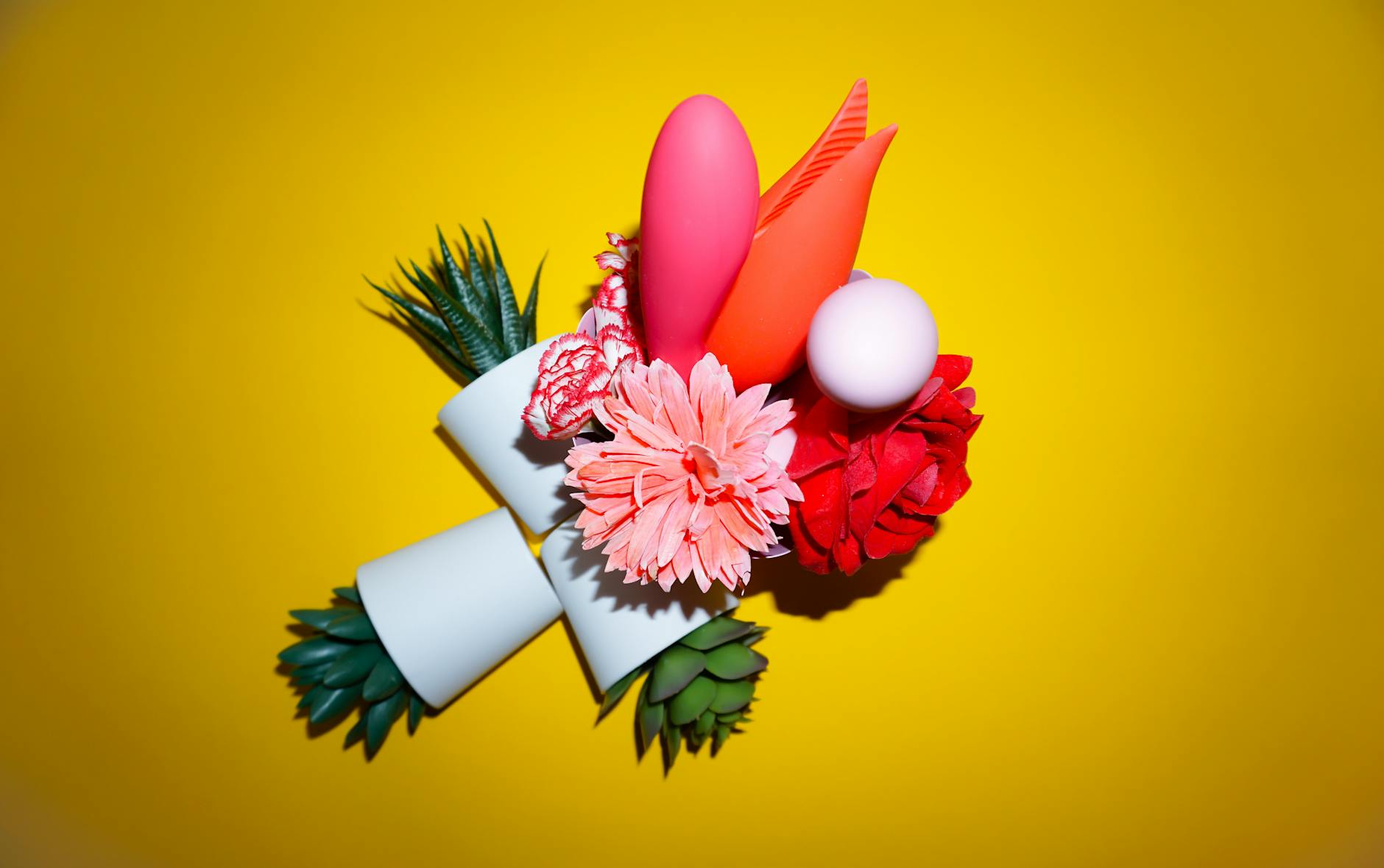
Photo by FounderTips on Pexels
The reunion reset
Here's where the maintenance actually pays off. When your partner comes home, your nervous system isn't starting from zero. You've kept your arousal capacity alive. Your body remembers what pleasure feels like.
The first night back, don't expect fireworks. Just reconnection. Touch each other slowly. Let your bodies remember the rhythm. The solo practice means you're both showing up as sexual people, not as people who forgot how to want.
Many couples report that the sex after a long absence is actually better if they've maintained solo practice during the distance. You're both more present. Less performance pressure. More resourcefulness.
The emotional labor piece
I want to name something that doesn't get mentioned enough: solo pleasure when your partner travels frequently can sometimes feel like an act of emotional labor. Like you're supposed to be fine with the distance, manage your own sexuality, and not be "needy."
That's bullshit. You can do all of this and still be frustrated by frequent travel. You can maintain a healthy solo practice and still want more physical closeness. Those things aren't contradictory.
Solo practice isn't a way to make the distance easy. It's a way to make it less damaging to your baseline capacity for pleasure. The emotional work is separate. That's a conversation with your partner about whether frequent travel actually serves your relationship. Solo pleasure doesn't solve that. It just keeps your body from getting collateral damage while you figure it out.
When it's time for external support
If you're doing all of this and finding that solo pleasure feels empty, or that your desire has completely shut down during travel periods, that's a signal worth listening to.
Sometimes frequent distance is just too much for a relationship to sustain, no matter how intentional you're being. Sometimes your body is telling you something your brain hasn't admitted yet.
A therapist specializing in long-distance relationships can help you untangle whether this is a temporary adjustment or a deeper incompatibility. That's not failure. That's wisdom.
The practical takeaway
Lemon vibrators aren't magic. They're a tool. But they're a particularly good tool for long-distance because they don't require you to be fully aroused to start, and they maintain sensation consistency even when motivation is low.
Pair consistent solo practice with honest conversations, remote connection when it feels right, and a willingness to reassess whether the travel is actually working for you both. That's the framework that actually keeps relationships intact across distance.
Your pleasure matters too much to put it on pause for six months while your partner travels. Take care of your body. It'll make the reunion better and the distance more bearable.
FAQ: Solo pleasure and long-distance relationships
How often should I practice solo pleasure when my partner is traveling?
Three times a week is the sweet spot for most people. Enough consistency that your nervous system stays awake, but not so frequent that it becomes obligatory. If you're traveling more than three weeks a month, aim for at least twice weekly. Think of it like exercise: consistency matters more than intensity.
Can I share my solo practice with my partner even if we're not on video?
Absolutely. A text describing what you're doing, a voice memo, or even just a check-in afterward. Some partners want to know the details. Some just want to know it happened. Agree beforehand on what level of sharing feels right for both of you.
Will solo pleasure make me less interested in partnered sex?
No. The opposite is true. Solo practice keeps your baseline arousal higher and your nervous system more responsive. This usually increases desire for partnered sex, not decreases it.
What if I feel guilty doing this when my partner is alone in a hotel?
That's worth examining. Guilt often masks resentment about the travel itself. This isn't about being unfaithful. You're maintaining your own health. If the guilt is intense, bring it to your partner directly: "I'm noticing I feel weird doing this alone. Can we talk about what that's about?"
How do lemon vibrators compare to other toys for solo practice during travel separation?
Lemon clitoral vibrators are excellent for this because they don't numb sensation, they work at lower intensities, and they're quiet and discreet if you're in shared housing. The suction pattern keeps you engaged rather than zoning out. Other toys work too. Pick what feels good and stick with it for consistency.
Is there a risk that solo practice becomes a substitute for fixing the relationship?
Yes, and this matters. Solo practice can mask real incompatibility about travel frequency. If you're doing everything right and you're still disconnected, that might be a sign to have a harder conversation about whether this travel schedule is actually sustainable for your relationship.