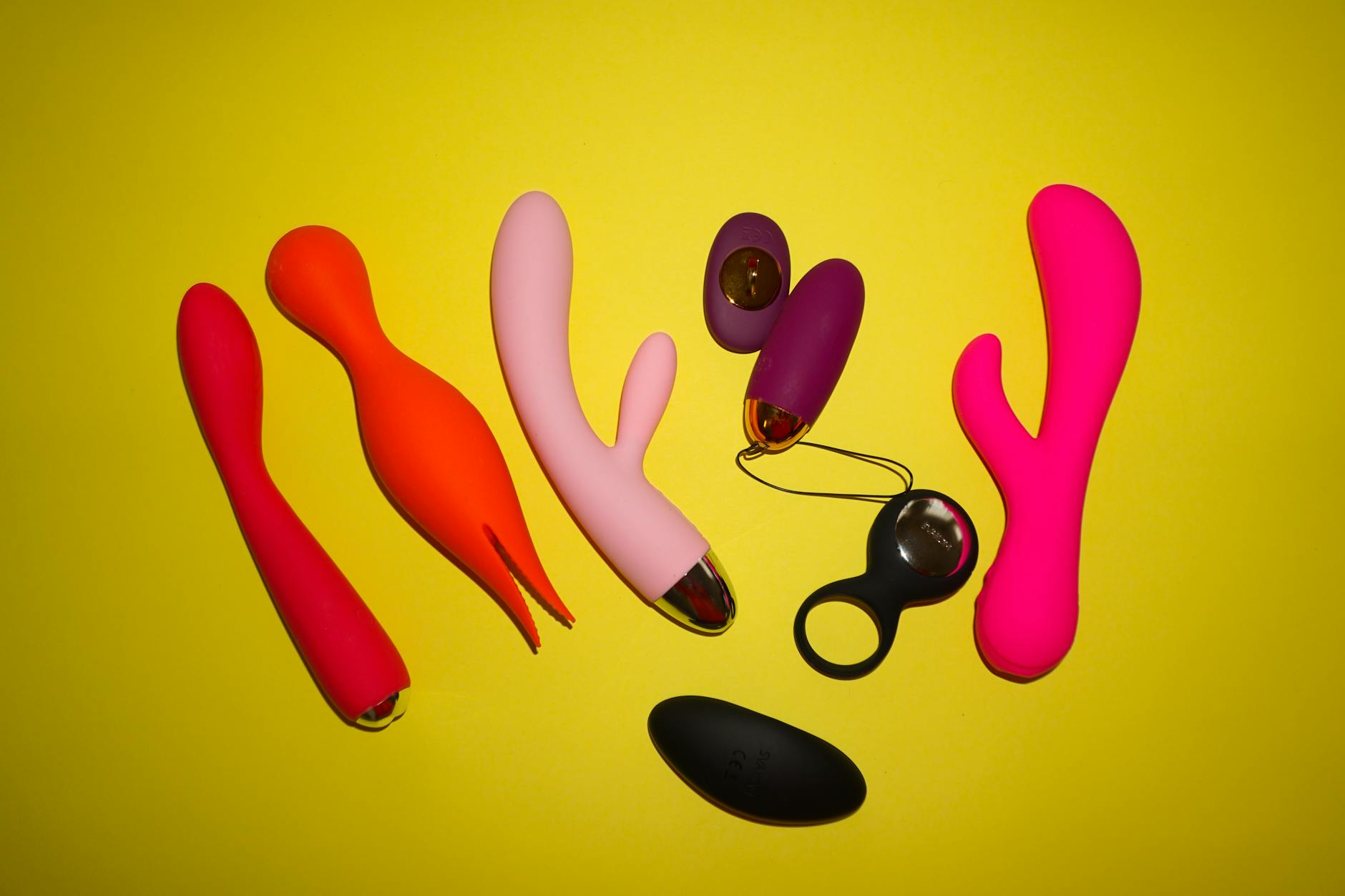
Let's name the thing that's actually happening here
Your partner doesn't initiate sex. Or physical affection. Or both. You find yourself waiting for touch that doesn't come, and after enough waiting, you stop expecting it altogether. This erodes something deeper than just your sex life.
Here's what I see in my practice: people in this position often stop touching themselves too. They figure if their partner doesn't want to initiate, why should they? But that logic is backwards. Your partner's lack of initiation doesn't mean you stop deserving pleasure. It means you become the person who decides.
Why this pattern starts (and why it matters)
Partners stop initiating for reasons that have almost nothing to do with desire for you. They're stressed. Depressed. Avoidant. Distracted. Overwhelmed at work. Dealing with their own body image stuff. Sometimes they're just lower libido, and sometimes they've learned that initiating feels risky because rejection has happened before.
But here's the clinical observation that changes everything: when one partner stops initiating and the other stops self-pleasuring in response, both partners lose touch with their own sexuality. The person waiting becomes resentful. The person not initiating feels less and less confident. You end up in a dynamic where nobody's claiming their own pleasure, and the whole thing becomes about scarcity.
The antidote isn't couples therapy (though that helps). It's you deciding that your orgasms are not your partner's responsibility.
What happens when you reclaim self-pleasure
Three things shift immediately.
First, you stop managing their emotional labor. Right now, you're probably aware of your unmet desire every waking moment. You're thinking about it when you wake up. You're interpreting every lack of touch as rejection. You're waiting. This is exhausting, and it's a form of emotional enmeshment. When you switch to self-pleasure, you move from passive waiting to active choice. That's a different nervous system state entirely.
Second, you stay connected to your own sexuality. There's solid research on this: people who maintain a solo pleasure practice stay more confident in their sexuality, more aware of what they actually want, and more communicative about desire in relationships. You're not losing sexual energy by using a lemon clitoral vibrator alone. You're building it.
Third, you sometimes actually change the dynamic with your partner. Not always. But when you're no longer carrying the weight of unmet desire, you're also no longer broadcasting scarcity. Partners who don't initiate sometimes start initiating again when they realize their partner is no longer desperately waiting for it. It's weird, but it's true.
How lemon vibrators specifically help this situation
Lemon sexual toys, particularly the lemon clitoral vibrator design, are ideal for this context because they're efficient and focused. You're not looking for a 45-minute experience that mirrors partnered sex. You're looking for reliable sensation that gets you there without drama.
The suction mechanism on lemon adult toys works differently than traditional vibration. It's less about constant stimulation and more about waves of pressure. This means you can use it solo without the kind of physical intensity that creates numbness or habituation. You're building a sustainable self-pleasure practice, not chasing bigger and bigger sensations.
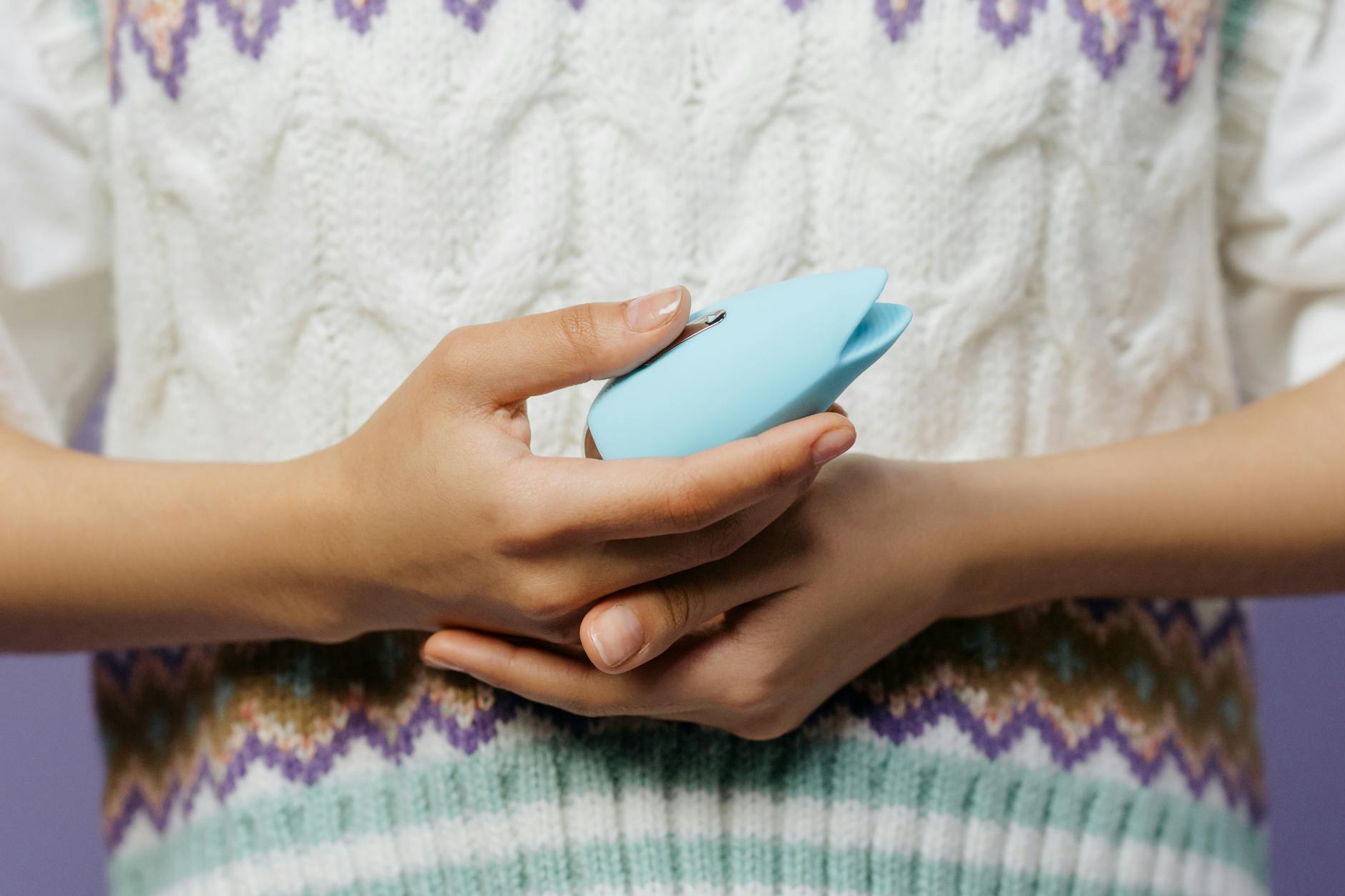
Photo by cottonbro studio on Pexels
I recommend this framework: use your lemon vibrator 2-3 times per week on a schedule you decide. Not whenever you feel like it. An actual calendar. This does two things. It removes the spontaneity pressure (you're not waiting for the mood to strike), and it signals to your nervous system that pleasure is a regular, non-negotiable part of your life.
Start with pattern 1 or 2 and spend time there. Don't jump to the strongest setting. You're not trying to finish as fast as possible. You're practicing being present with sensation in your own body. Fifteen to twenty minutes is the sweet spot.
What this is not
This is not you giving up on your relationship. This is not accepting that your sex life will stay exactly as it is. This is you deciding that in the meantime, you're not going to let your partner's lack of initiation turn you into someone who doesn't feel pleasure.
It's also not a replacement for having an actual conversation with your partner. You'll probably need to say something. "I've realized I need to take responsibility for my own sexuality, and I'm going to start using toys solo. I wanted you to know." Some partners get defensive. Some feel relief. Either way, you're being honest.
The conversation you probably need to have
Here's the tricky part: telling your partner you're using a lemon clitoral vibrator solo can feel vulnerable. They might hear it as criticism. They might get scared you don't want them anymore. They might feel inadequate.
But I want to be direct about something. If your partner gets defensive about you touching yourself with a toy, that's a separate problem that needs addressing in therapy or through a serious conversation. Your orgasms are not your partner's property. Your pleasure is not negotiable.
The productive version of this conversation sounds like: "I need to feel like myself again. I'm going to be using a vibrator solo. This isn't about you. I still want us to be intimate, but I can't wait for that to happen on your timeline anymore." Then actually do it.
Some partners respond by initiating more. Some don't. Either way, you've reclaimed something.
Building the practice
First week: privacy and no expectations. Anywhere you won't be interrupted. Phone on silent. Your lemon sucker and some water-based lube (silicone feels richer if you want it). Set a timer for fifteen minutes. The goal is sensation, not orgasm. Your job is to notice what feels good.
Second week: Same routine, but now you're allowed to chase the feeling a little. You know the device better. You know which patterns actually work for your body. You can focus on pleasure instead of just discovery.
Third week and beyond: This is your practice now. Two to three times per week. You're staying connected to your sexuality. You're not waiting. You're not resentful. You're taking care of yourself.
What shifts in your relationship
When you stop waiting, something changes in how you show up. You're less needy. You're less resentful. You're not broadcasting scarcity. Partners feel this. Sometimes they respond to it. Sometimes they don't, and that's when you have to decide whether the relationship is actually working for you.
But that's a different decision. For now, the decision is: I'm going to own my own pleasure. And lemon vibrators make that decision concrete and easy.
FAQ: Using Lemon Vibrators When Your Partner Doesn't Initiate
Will using a vibrator solo make my partner even less likely to initiate?
The evidence actually points the other way. When you stop broadcasting desperate waiting, you become more attractive and more confident. That said, if your partner is already avoidant, they might use your solo practice as an excuse to withdraw further. That's a sign the relationship has bigger issues that need couples work.
Is it weird to use lemon sexual toys when I'm in a committed relationship?
No. Solo pleasure and partnered pleasure are completely different experiences. Using a lemon clitoral vibrator alone doesn't replace sex with your partner. It complements it, and it keeps you connected to your own sexuality in the meantime. Most sex therapists actually recommend this.
How do I explain this to my partner without them thinking I'm rejecting them?
Be direct and non-defensive: "I've realized I need to take care of my own pleasure. This isn't about you. I'm still interested in us being intimate." Then actually do it. If they push back, that's a conversation worth having with a therapist present.
What if my partner wants to watch or participate?
That's up to you entirely. Some people love that. Some people find it removes the privacy and freedom that makes solo practice valuable. You get to decide. Your pleasure, your rules.
How often should I be using a vibrator solo?
Two to three times per week is the sweet spot for most people. Enough to stay connected to your sexuality, not so much that you're chasing sensation instead of pleasure. Find your rhythm.
Will my body get "addicted" to my lemon vibrator?
No. This is a myth. Your body adapts to sensation (meaning you might need to switch patterns sometimes), but that's not addiction. It's normal neurological adaptation. Taking breaks between sessions helps prevent habituation.
The deeper truth
Your partner's lack of initiation says something about them. Your decision to claim your own pleasure says something about you. One of those things you can actually control.
Lemon vibrators are just tools. But using them is an act of self-respect. It says: I deserve pleasure. I'm not waiting for permission. I'm not accepting scarcity. I'm showing up for myself.
That changes everything.
Resources
If you're navigating intimacy issues in your relationship, consider these next steps:
- Couples therapy: A licensed therapist trained in the Gottman Method can help you have productive conversations about intimacy and desire.
- Individual therapy: Sometimes the avoidance is about your partner's own stuff. Individual work can help them understand why they're not initiating.
- Sex therapy: A sex therapist can help both of you understand desire differences and rebuild physical connection.
- Communication frameworks: The "Nonviolent Communication" model by Marshall Rosenberg offers language for vulnerable conversations about sex and desire without blame.
Your pleasure matters. Your body matters. And you deserve to feel good in your relationship, or in the absence of that, to feel good in your own company.