Here's what nobody tells you about solo pleasure in partnerships
If you're in a relationship and you still want time alone with your own pleasure, you're not broken. You're not rejecting your partner. You're doing something that therapists and relationship experts have been quietly recommending for decades: maintaining a separate, sovereign relationship with your own body.
But the guilt is real. The worry that solo exploration means something is wrong, or that your partner will feel rejected, or that you should only want pleasure when they're involved. I hear this in my practice constantly, and I want to be direct: that narrative is keeping you stuck, and it's hurting your partnership.
Why solo pleasure actually strengthens couples
Here's the data point that usually lands differently than people expect: couples who maintain independent sexual lives report higher satisfaction in shared sexuality and stronger emotional connection overall. Not because they're avoiding each other, but because they're each showing up as whole people instead of expecting their partner to be their only source of pleasure, validation, or release.
Think about it this way. If your partner is your sole outlet for sexual pleasure, the pressure on that interaction becomes enormous. Every session has to be "good enough." Every orgasm has to mean something. Every moment of not being in the mood becomes a potential conflict. That's not intimacy. That's a performance contract.
When you have a solo practice, something shifts. Sex with your partner becomes something you both want, not something you both need. The difference is crucial.
The specific guilt that stops people from exploring solo
I work with three categories of guilt, and I want you to recognize which one is actually yours.
Category one: "My partner will feel replaced." This one comes up most, and it's usually unfounded. Your partner doesn't need to be your only source of pleasure any more than you need them to be your only source of food or laughter. Solo pleasure and partnered pleasure engage different parts of your nervous system. One doesn't erase the other.
Category two: "Solo sex is selfish." This is the one I trace to early relationship narratives that position "couple" as the baseline and "individual" as the deviation. It's not selfish to tend to your own body. It's maintenance. It's self-care in the most literal sense.
Category three: "If I tell my partner, it will threaten them." Sometimes this one is true. If your partner has deep insecurity around sexuality, they might struggle initially. But here's the thing: that insecurity exists whether you tell them or not. And avoiding it usually makes it bigger. Naming it, explaining why solo pleasure matters to you, and inviting them to understand it separately from them actually builds trust.
How lemon clitoral vibrators fit into a solo practice
Lemon Toys Official makes clitoral vibrators designed for precision and sensation. The Lem, in particular, uses suction and pulsing patterns that make solo exploration deeply specific. You're not just chasing orgasm. You're learning exactly what your body responds to, at what intensity, with what rhythm. That knowledge doesn't leave the room when your partner enters.
Most people I work with who build a consistent solo practice report one clear shift: they stop performing in partnered sex. They know what they want. They ask for it. They guide their partner instead of waiting to be guessed. Your partner benefits directly from your self-knowledge.
Starting a solo practice without drowning in guilt
There are a few practical shifts that help.
First, name it to yourself. Not as "cheating" or "having to resort to this." Name it as what it is: solo pleasure. Self-knowledge. A practice. Language matters because it tells your nervous system whether to feel guilty or grounded.
Second, figure out your actual need. Are you exploring solo because your partner is often unavailable and you need regular release? Because you want to understand your own body better? Because you're building arousal skills in your own time? The reason changes how you approach it. Someone exploring for self-knowledge looks different from someone using solo time as a pressure valve in a mismatched-desire partnership.
Third, decide what you need to share. Not everyone needs to tell their partner about solo practice. But if you do, framing matters hugely. "I want to spend time learning what my body likes so I can show you what I want" is a different conversation from "I need this because you're not enough." One invites curiosity. The other invites defensiveness.
Fourth, schedule it. Solo pleasure doesn't have to compete for time if it's planned. Tuesday night after work. Sunday afternoon. Whenever. Consistency helps because your nervous system knows it's coming, and arousal builds better in anticipation.
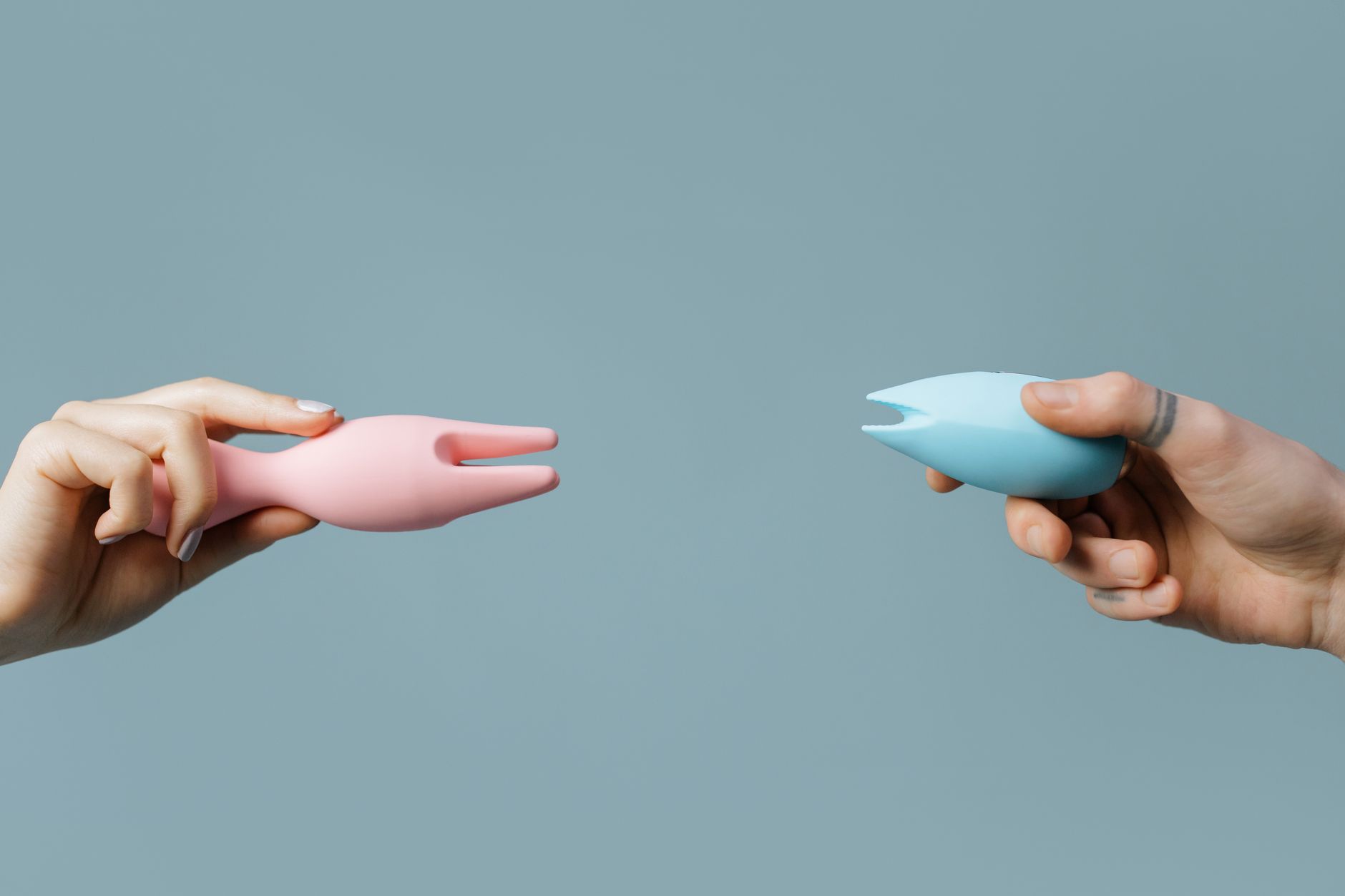
Photo by cottonbro studio on Pexels
Using lemon vibrators specifically for solo learning
Clitoral vibrators like those from Lemon Toys Official are excellent for mapping your own sensation because they offer precision that fingers often can't. The Lem's suction pattern, for example, creates a very specific sensation that's different from pressure or vibration alone. Building a solo practice with a quality lemon clitoral vibrator helps you understand your arousal architecture.
Start with lower intensities. Solo exploration often gets rushed, especially if you're anxious about being "found out" or caught. But the goal isn't a fast orgasm. It's learning. What patterns make your breath change? Where does sensation concentrate? Does clitoral pleasure build the same way every time, or does it shift?
Take notes if that helps. Some people track their cycle and notice how their preferences shift. Others notice that certain times of day create different responses. This is the actual value of solo practice: it's research. You're becoming fluent in your own pleasure.
When to tell your partner, and what to say
I recommend bringing it up when you're not in the middle of sexual activity or conflict. A calm conversation, not a confession. "I want to spend some solo time exploring what I enjoy sexually, so I can understand myself better and bring that to us. This isn't about replacing you. It's about showing up more fully in our sex life."
Most partners who hear this with genuine intention understand. Some even find it hot. Some need reassurance that you still want partnered sex too. That's fine. You can give that reassurance because it's true.
If your partner responds with anger or controlling behavior, that's not a sexuality issue. That's a relationship issue worth addressing with a couples therapist. But most people, when they understand the actual reasoning, come around.
What happens after you've built a solo practice
This is the part people don't expect. They think solo pleasure is about orgasms. But what usually shifts is communication. When you know your body, you can tell your partner what you want. You become less willing to fake pleasure to manage their feelings. You ask for what actually feels good instead of performing what you think should feel good.
That's not a threat to partnership. That's the foundation of real sexual connection. When arousal and orgasm feel misaligned with your partner, solo practice is often where you start understanding the gap.
Solo pleasure also gives you resilience. If your partner is traveling, unwell, or going through a period of lower desire, you have a way to tend to your own body that doesn't hinge on them. That's not selfish. That's mature. That's sustainable.
FAQ: Solo pleasure and partnership
Is it normal to want solo pleasure when you're in a relationship?
Completely. Most adults with partners maintain some form of solo sexual practice. The research shows it's associated with higher sexual satisfaction overall, not lower. Your desire for solo exploration says nothing about your commitment to your partner.
Will my partner feel hurt or rejected if I want solo time?
Some partners might initially feel that way, especially if they've internalized the idea that they should be their partner's only sexual outlet. But when you frame it clearly as self-knowledge rather than rejection, most people shift. And if your partner consistently responds with hurt or control around your body autonomy, that's a relationship pattern worth exploring with a therapist.
How often should I have a solo practice?
There's no "should." Some people enjoy solo time weekly. Others monthly. Some not at all. The frequency depends on your desire, your relationship dynamic, and what you're trying to achieve. There's no correct answer, only what works for you.
Will using a lemon vibrator for solo pleasure make partnered sex feel less satisfying?
No. If anything, the opposite. Learning what specific stimulation your body loves makes partnered sex more intentional. You know what you want, and you can ask for it. That's more satisfying for most people.
Should I hide my solo practice from my partner?
Not necessarily. Hiding it usually creates more anxiety than openness. That said, you don't need to provide a play-by-play. A simple "I want some solo time for self-pleasure" is enough. You don't owe a detailed report any more than your partner owes you a detailed report of their solo practice.
What if my partner wants to join my solo time?
That's for you to decide. Some people love that. Others want solo time to stay solo because the pressure and performance expectations change when someone's watching. Both are valid. You get to set that boundary.
The bigger picture
Your pleasure is not zero-sum. Solo exploration doesn't take anything away from your partnership. It adds fullness to it. You show up as someone who knows herself, who can ask for what she wants, who has resilience and self-knowledge. That person is more present, more authentic, and more capable of real intimacy.
If guilt comes up when you're exploring solo, notice it. Talk to yourself like you'd talk to a friend. You're not doing anything wrong. You're tending to yourself. And that matters.
If you want to explore this deeper, whether around solo practice specifically or how pleasure fits into your partnership more broadly, reach out to us. That's what we're here for.