The problem nobody talks about
Numbing lubes were sold to you with good intentions. "Reduce discomfort," the bottle said. "Last longer," the marketing promised. What it didn't say was this: numbing agents like benzocaine and lidocaine don't just reduce pain. They flatten sensation entirely. For some people, that's the point. For others, it means touching yourself feels like touching your own leg through a blanket.
You're not broken. The lube is just working too well.
The thing about numbing lubricants is they work on the same nerve receptors your pleasure uses. It's not selective. The lidocaine can't tell the difference between "discomfort I want gone" and "pleasure I actually want to feel." So it blocks both.
Why this happens and what it costs you
Topical anesthetics soak into tissue and silence sensory nerves. That's great if you're having pain. It's terrible if you're trying to orgasm. Your clitoris has roughly 8,000 nerve endings concentrated in a space about the size of a pea. You need all of them firing to reach climax. When you coat that area with numbing lube, you're essentially muting the one part of your body built for sensation.
Here's the catch: once you start using numbing lube regularly, your body adapts. You become more numb because you're practicing numbness every time you touch yourself. Neural pathways strengthen what they repeat. So if every sexual experience is muted, your nervous system learns to expect that. It's like turning down the volume on a song so much that when someone plays it normal volume, it startles you.

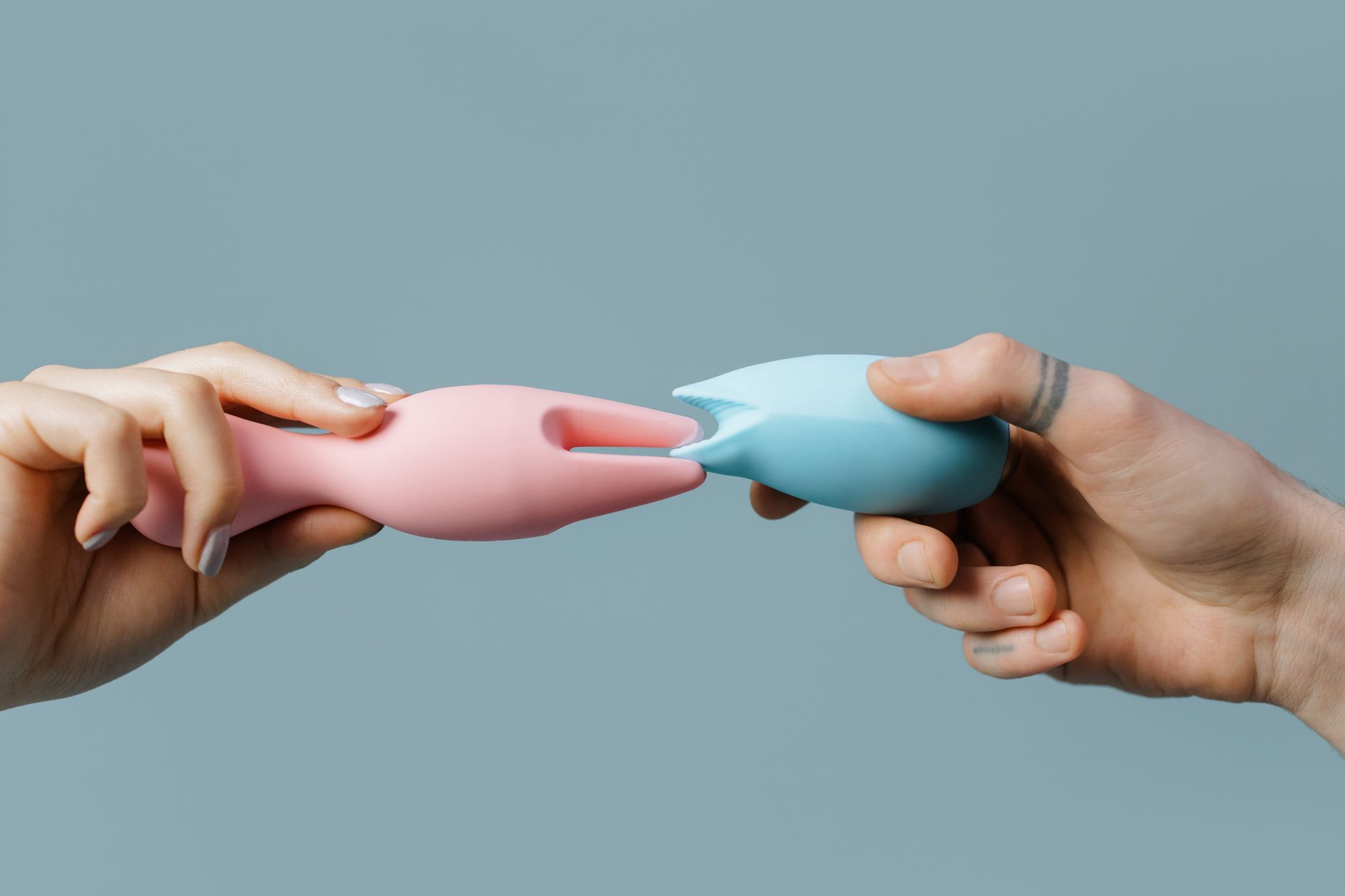
Photo by Ron Lach on Pexels
How lemon vibrators wake up what numbing lube killed
Clitoral vibrators like those from Lemon Toys Official work on a completely different mechanism than lubricant. Instead of chemical numbing, they use mechanical stimulation and suction patterns. The Lem, for instance, uses gentle pulsing air suction that reaches deeper nerve pathways the lube never touched.
Here's the practical difference: numbing lube is passive. You apply it and wait for the numbness to set in. A lemon clitoral vibrator is active. It sends consistent, targetted stimulation to your clitoris. Even through residual numbness, vibration can reach nerves that topical anesthetics haven't fully silenced. The vibrations are also much stronger than manual touch, which means they cut through the "blanket" sensation that lube creates.
Many people find that using a vibrator wakes up sensation faster than stopping the lube and waiting. You're not fighting the numbness. You're working around it with a tool built for exactly this problem.
The first step: stop using numbing lube
Obviously. But I want to say it clearly because sometimes the narrative we've built around a product is hard to let go of. If the lube is preventing you from feeling pleasure, it's not helping you. It's harming you. That's not a judgment. That's just math.
Give your body 3-5 days without numbing lubricant. During this time, your nerve endings start to wake up. You'll probably feel more sensation than you have in a while. It might feel sharp or uncomfortable at first. That's normal. That's also temporary.
Use a water-based lubricant instead if you need lubrication (you probably do). Something without anesthetics. Just plain lubrication, nothing else.
How to reintroduce sensation with a vibrator
Start with pattern 1 or 2 on your lemon vibrator. Low intensity. The goal is not to orgasm right now. The goal is to help your nervous system remember what stimulation feels like without the numbing agent blocking it.
Spend 2-3 minutes on the lowest setting. This sounds short, but you're rebuilding a neural pathway. Consistency matters more than duration. Do this for 3-4 days before moving up a pattern level.
Once pattern 2 feels normal again, move to pattern 3. Once pattern 3 feels integrated, add more time or intensity. You're slowly turning the volume back up on sensation. If you rush this, you might overwhelm yourself. If you go too slowly, you'll get bored. Three to five days per intensity level is the sweet spot for most people.
What else helps sensation come back
Beyond the vibrator itself, a few other things matter:
Temperature play. Your whole body has sensation, not just your genitals. During those early days of waking up, warm up your body first. Take a warm shower or bath. Warmth brings blood flow and makes nerves more sensitive. Cold shuts them down.
Mental focus. During these sessions, you're not trying to achieve anything. You're just feeling. Put your phone away. Close your eyes. Notice what you feel at each intensity level. When your mind wanders (and it will), bring it back. This isn't meditation. It's just attention. Your brain has to relearn these sensations too.
Patience with your partner. If you have one, this is worth mentioning. The sensation recovery phase is not the time to perform for anyone else. It's solo exploration time. That doesn't mean your partner can't be involved later. It means right now, this is for you. Once you can feel on your own again, partnered sex becomes actually good instead of performed.
Why sensation can take longer to recover than you'd expect
Numbing lube isn't like a light switch. It's more like a dimmer that's been set low for months. Even after you stop using it, your nervous system is still recalibrated for low sensation. That's not permanent, but it does take time to recalibrate.
I typically see people recover full sensation in 2-4 weeks. Some faster. Some slower depending on how long they used numbing lube and how frequently. Your body isn't broken. Your nervous system just needs reminding that sensation is safe and worth paying attention to. A lemon clitoral vibrator does that reminding much faster than waiting and hoping.
When to reach out for help
If after 3-4 weeks of consistent use with a vibrator and no numbing lube, sensation still hasn't returned, something else might be going on. That could be hormonal. It could be vascular. It could be psychological. There's no shame in any of those. A sexual health specialist or your GP can help you figure it out. What matters is you don't just accept numbness as your baseline. That's not your baseline. That's just what happened when you put numbing chemicals on the most sensitive part of your body.
FAQ
Can I use numbing lube occasionally without killing sensation long-term?
Maybe. It depends on what "occasionally" means and what your baseline sensitivity is. If you use it once a month, probably fine. If you use it three times a week, you're building a numbness habit. Your nervous system adapts to what it practices. The more often you practice numbness, the more automatic it becomes.
How do I know if I'm actually numb or just having trouble climaxing?
Try this: touch yourself without the lube and without a vibrator. Can you feel your own hand? Can you distinguish between gentle pressure and firm pressure? If both feel equally muted or distant, that's numbness. If you can feel the difference but orgasm just isn't happening, that's something else (which could be performance anxiety, medication, stress, or timing). The numbing lube test is quick and honest.
Will using a vibrator make me dependent on it?
No. If anything, the opposite. You're using the vibrator to wake up sensation so you can feel more during all kinds of touch, including your own hands and your partner's hands. Some people find they eventually climax faster with a vibrator, but that's not dependence. That's just knowing what your body responds to. You can still have pleasure without it. You'll just know that with it, pleasure is more intense.
What if my partner is using numbing lube and they've lost sensation?
The same recovery process applies. But it's worth having an honest conversation first. Why did they start using it? Was it pain? Anxiety about lasting long enough? Different reasons need different solutions. If it was pain, there might be an underlying issue worth addressing with a doctor. If it was anxiety, the vibrator plus communication might help both of you. Either way, they're not broken and neither are you.
Can I layer a regular lube over numbing lube to reduce the numbness effect?
Not really. The numbing agent has already soaked into the tissue. Covering it with more lube won't undo that. What works is stopping the numbing lube, letting the tissue heal, and then using regular lube if you need it. A water-based option like Aloe Cadabra or Good Clean Love works for most people and won't numb you.
How long after stopping numbing lube should I wait before trying my vibrator?
You don't have to wait. You can use a vibrator right away. In fact, starting within the first few days is often better because you're catching the nerve endings as they start to wake up. Just keep the intensity low and let yourself feel what's there, even if it's not much at first.