Here's what nobody warns you about post-surgical recovery
Your doctor clears you for sex. Your incision heals. But the sensation is gone, or numb, or weirdly sharp in places that used to feel soft. Pleasure doesn't work the way it did before. Most people expect a clean timeline to healing. Surgery, recovery, back to normal. The reality is messier and more prolonged, especially when it comes to sensation and sexuality.
After pelvic, abdominal, or gynecological surgery, nerve damage (temporary or lasting) is common. Scar tissue changes how sensations travel. Your body is afraid of reinjury even when your surgeon says everything is fine. Fear lives in the nervous system longer than incisions heal.
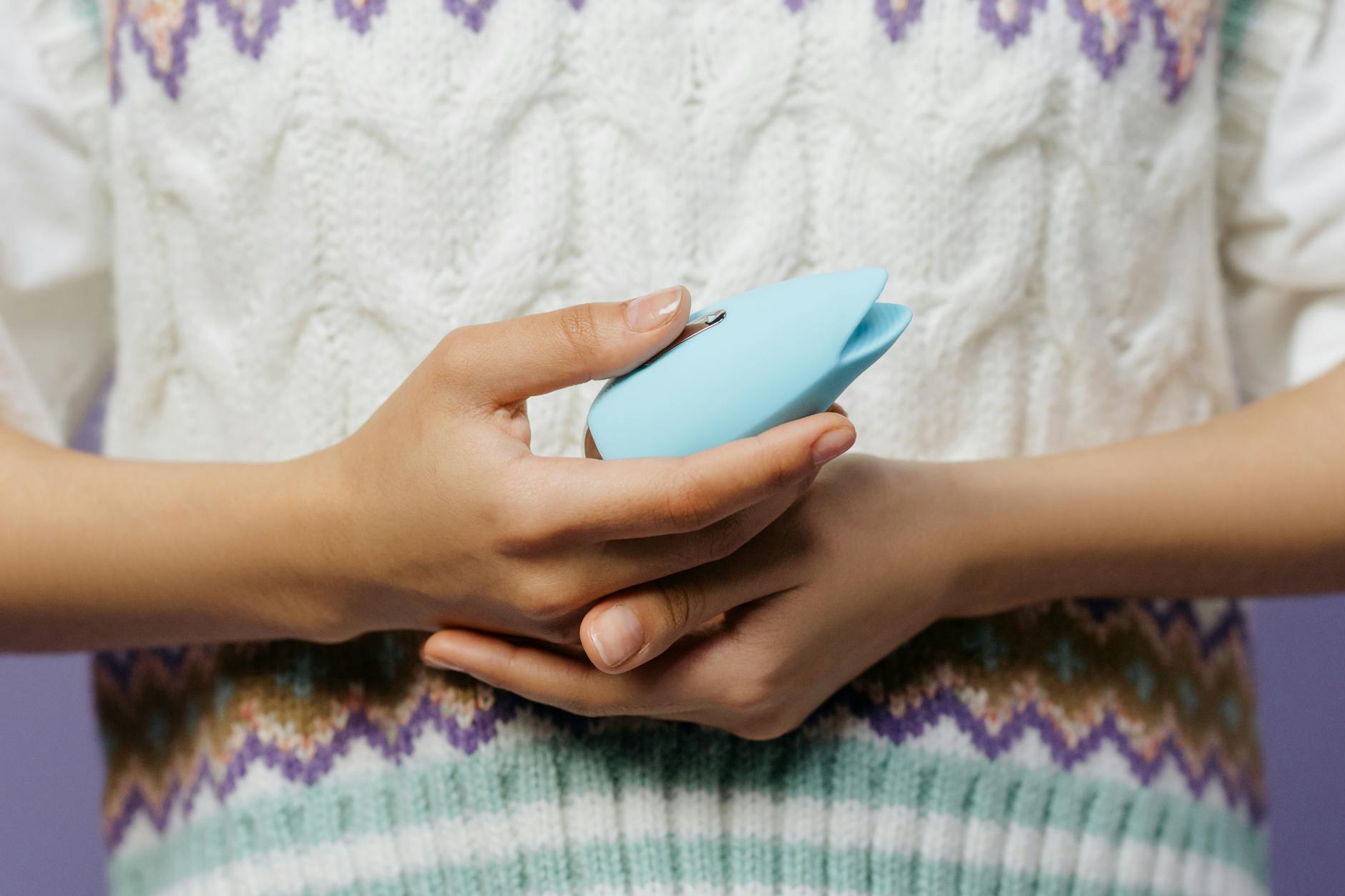
This is where lemon vibrators, and specifically their gentle suction design, become unexpectedly valuable. Not as a replacement for your body's healing, but as a tool to rebuild sensation gradually, safely, and without the pressure to perform on an arbitrary timeline.
What happens to sensation after surgery
Three main things disrupt pleasure during post-surgical recovery:
Nerve involvement. Pelvic surgery, hysterectomy, or cesarean section can temporarily damage nerves that supply sensation to the vulva, clitoris, or inner thighs. This numbness usually improves within months, but it can linger longer. You're not broken. Your nervous system is still reorganizing.
Scar tissue formation. As your body heals, collagen builds and contracts. This can change how skin stretches, how nerve signals transmit, and which touches feel pleasant versus sharp or uncomfortable. Scar tissue softens over time, but early on it's a real barrier to pleasure.
Psychological protection. Even when cleared by your surgeon, your brain is protecting you. Fear of reinjury makes arousal harder to reach. Your nervous system stays in a low-level alert, which suppresses blood flow to your genitals and makes touch feel less intense.
The good news: all three are temporary, and all three respond well to patient, gentle stimulation.
Why lemon vibrators work particularly well during recovery
There are several reasons Lemon Toys Official products fit this phase of healing better than traditional vibrators.
Low-pressure stimulation. The suction design of lemon clitoral vibrators doesn't require the same friction or direct pressure that standard vibrators do. For someone healing from surgery, that matters wildly. Your tissue is sensitive, scar tissue is tender, and direct vibration can feel irritating rather than pleasurable. Suction stimulates the surrounding tissue and nerves without aggressive contact on the healing area itself.
Gradual sensation rebuilding. You can start at the lowest intensity setting and increase only when you feel ready. There's no rush. Some days you'll feel more sensation than others. Your body is still healing, and that's completely normal. The flexibility of lemon vibrators lets you honor that.
Psychological permission. Using a tool that's designed specifically for gentle, non-invasive stimulation gives your nervous system permission to relax slightly. You're not trying to force your body back to pre-surgery baseline. You're meeting it where it actually is.
Reduced reinjury anxiety. Because suction is external and doesn't penetrate, it feels safer for people with surgical fear. Your conscious mind knows there's no risk, but your nervous system takes a while to catch up. Gentleness helps that process.
A realistic timeline for sensation recovery
You probably want a number. Here's what the research and clinical experience actually show:
Weeks 1-6: Most surgeons recommend avoiding sexual activity entirely. Your body is in acute healing mode. Skip this section if your doctor gave you different guidance.
Weeks 6-12: You're usually cleared for gentle touch. This is when some people try to jump straight back to their pre-surgery rhythm. Don't. Your sensation is still rebuilding. Gentle exploration with a lemon clitoral vibrator at the lowest settings can feel good and help rewake the nervous system without pushing too hard.
Weeks 12-24: Sensation often continues to improve. Scar tissue softens. Nerve function returns more completely. You might notice you can increase intensity or enjoy longer sessions. Some people see major changes here. Others find their sensation stabilizes at a new baseline.
Beyond 6 months: For most people, sensation stabilizes by this point. If significant numbness persists beyond six months, it's worth discussing with your surgeon or a pelvic floor physical therapist. Early intervention helps more than waiting.
That said, your timeline is your own. Comparisons are useless here.
How to actually use a lemon vibrator during recovery
Let's get practical.
Start externally only. If your surgery involved the vulva or vagina, restrict all use to external stimulation. No insertion of any kind without explicit surgeon approval. A lemon clitoral vibrator is perfect for this because the suction design naturally stays external.
Use lubrication always. Your body might not produce as much natural lubrication during recovery, especially if hormones shifted due to surgery or if scar tissue is involved. Water-based lube helps sensation feel more pleasant and reduces any discomfort from friction. It's not optional.
Begin at the lowest setting. If your lemon vibrator has intensity levels, start at pattern one. Seriously. You might feel almost nothing. That's okay. Your body is waking up. Give it time. You can increase to pattern two or three after a week or two, if desired.
Sessions should be short initially. Ten to fifteen minutes is plenty. Your nervous system is still sensitive. Longer sessions can actually increase inflammation or soreness. Quality over duration.
Track what feels good and what doesn't. Keep a simple mental note (or write it down if you like): Did this feel pleasant? Did anything ache afterward? Did sensation improve? Your body will tell you what's working.
Be honest about fear. If touching the area feels scary, pause. Work with a pelvic floor physical therapist or a trauma-informed therapist before intensifying stimulation. Surgery can activate real trauma responses. That's not weakness. It's your nervous system doing its job. Professionals can help you work through it safely.
When sensation still isn't returning
If after three months you're still experiencing significant numbness or if sensation worsens, bring it up with your surgical team. Some possibilities:
Nerve damage is real but usually temporary. Certain surgical approaches carry higher risk for nerve involvement. If that happened to you, specific types of physical therapy can help. Pelvic floor PT, especially, is excellent for post-surgical sensation recovery.
Adhesions or scar tissue buildup might need targeted treatment. A pelvic floor specialist can assess whether release work or other interventions would help.
Your nervous system might be stuck in protection mode. Trauma-informed therapy or somatic therapy can help reset your threat detection. Your body isn't broken, but it might need help believing it's safe again.
None of this is a failure. It's part of healing in a complex body.
Partners and the awkwardness of changed sensation
If you're using lemon vibrators with a partner, the conversation matters more than the tool.
Partners often feel confused or rejected when sensation changes post-surgery. "Is it me? Am I doing something wrong?" No. It's surgery. It's healing. It's not personal, and it's not permanent.
Bring your partner into the process explicitly. "My sensation is still rebuilding. Using a gentle vibrator helps me explore what feels good right now." Frame it as discovery, not as a workaround for your partner's failure. If your partner wants to be involved, they can learn what feels good alongside you. If you need solo time to rebuild confidence first, that's valid too.
Communication transforms post-surgical sex from "I should want this" to "Let's figure out what actually feels good." That shift matters.
The bigger picture
Surgery interrupts your relationship with your own body. Pleasure is part of that reclamation. Using lemon vibrators thoughtfully isn't rushing recovery or skipping the hard emotional work. It's actively rebuilding sensation, rewaking your nervous system, and giving yourself permission to feel good on your own timeline.
Your body is more resilient than you think. Sensation returns. Confidence comes back. The timeline is personal, not universal. Trust that, and be patient with yourself.
People also ask
How long after surgery can I use any kind of vibrator?
Most surgeons clear external stimulation at six weeks post-op, when your incision is sealed and initial inflammation has calmed. However, you should confirm this with your surgical team, especially if your surgery involved deep pelvic work. When you do start, begin gently with the lowest intensity. Your tissue is still healing, and patience protects you more than eagerness ever will.
Will using a lemon vibrator delay my surgical recovery?
No. Gentle external stimulation, once cleared by your surgeon, doesn't interfere with healing. In fact, light stimulation can help rewake nerve function and improve blood flow, both of which support healing. What matters is that you stay within your surgeon's clearance, start gently, and listen to any discomfort signals from your body.
What if sensation doesn't come back the same way?
Some people's sensation shifts permanently after surgery. The clitoris might feel less intense, or different kinds of touch might be more pleasurable than before. This isn't failure. It's your body adapting. Many people find their post-surgery sensation actually opens up new ways to experience pleasure they hadn't discovered before. Give yourself time to explore what your body now enjoys, rather than chasing what it used to feel like.
Can I use a lemon clitoral vibrator if I'm still in pain during recovery?
No. Pain is a red flag. If touching the area, even gently, causes pain, hold off and check in with your surgeon. Pain isn't part of normal sensation rebuilding. It usually signals inflammation, infection, or that your tissue needs more healing time. Pleasure should feel good, not painful. Trust your body.
Should my partner use the vibrator on me or should I do it solo?
That depends entirely on your comfort and your relationship. Solo use gives you maximum control and removes any performance pressure while your body is healing. If you want your partner involved, make sure they understand this is about sensation rebuilding, not typical intimacy. The goal is learning what feels good now, not recreating what used to happen. Slow, patient exploration together can deepen connection, but only if you're both on the same page about what you're doing and why.
Can I use lemon vibrators while still using scar treatment creams or treatments?
Usually yes, but check the specific product instructions. Most water-based scar treatments are fine to use alongside gentle vibrator use. Let any creams absorb fully before using a vibrator to avoid interference. If you're unsure, ask your surgeon or your pharmacist. It's a quick question and worth the clarity.
Related reading
If sensation feels distant in other ways, you might find it helpful to explore how lemon vibrators help when sensation returns after long-term numbness. Or, if you're rebuilding intimacy after a major life disruption, how to use lemon vibrators when rebuilding intimacy after depression covers similar nervous system challenges.
For those navigating pelvic floor concerns during recovery, how lemon vibrators work when you have vaginismus or pelvic floor tension goes deeper into how gentle stimulation helps with muscle guarding.
Your body deserves patience. Lemon Toys Official products are here to make that easier.