How pelvic nerve damage rewires sensation
Let's start with what's actually happening in your body. Pelvic nerve damage can come from childbirth trauma, surgery (especially gynecological), cycling injuries, or prolonged pressure. When that nerve sustains injury, the messages between your genitals and your brain get garbled. Some people experience numbness. Others feel phantom pain, tingling, or a sensation that's weirdly muted on one side but hypersensitive on the other.
The key thing to know: this is not permanent numbness. Nerves heal. They heal slowly, and sometimes unevenly, but they do regenerate. Your capacity for pleasure hasn't vanished. It's just offline temporarily while your nervous system does repair work.

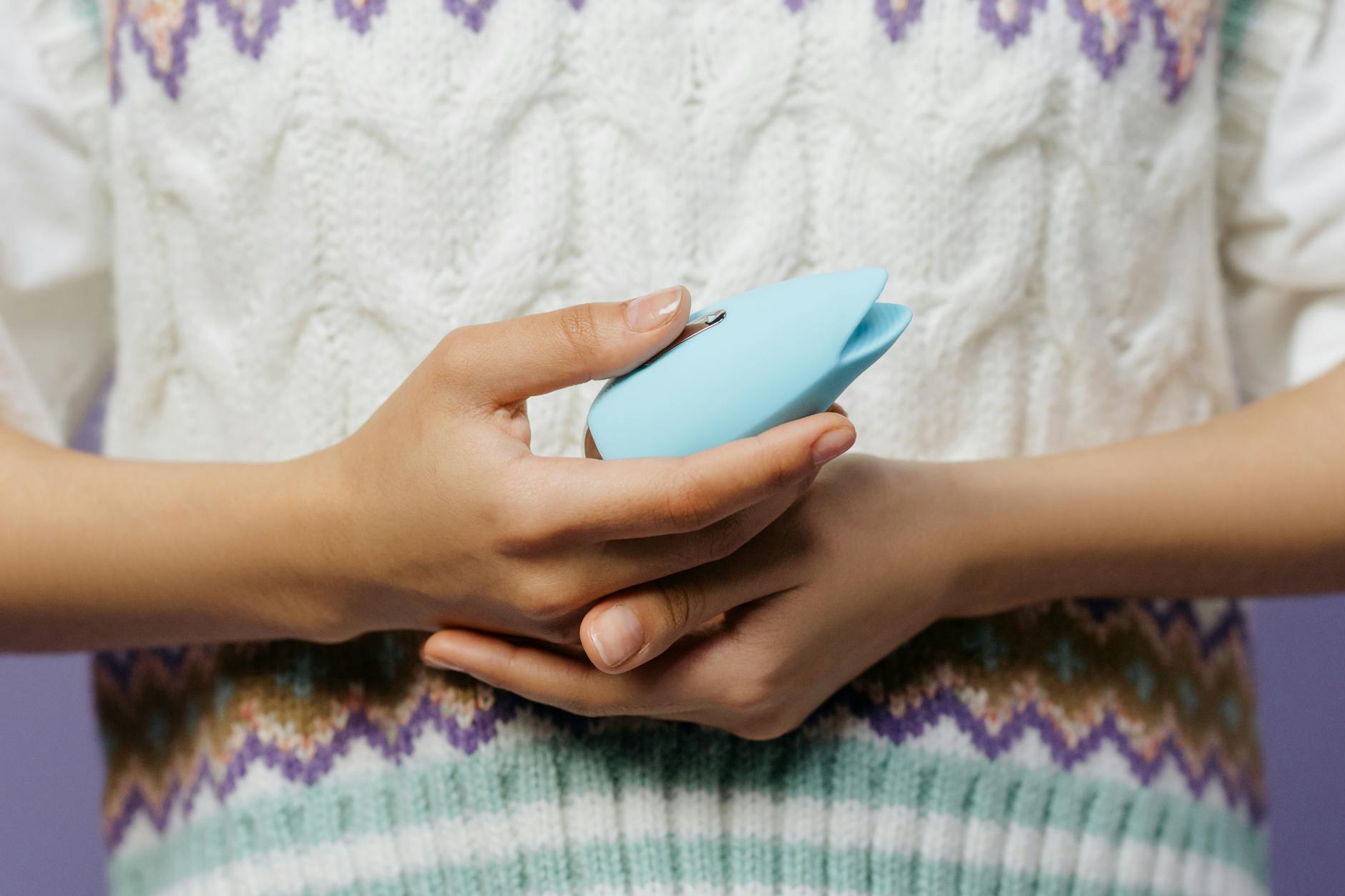
Photo by Ron Lach on Pexels
Most of the people I work with who've recovered from pelvic nerve damage say the same thing: the uncertainty was harder than the physical symptoms. You don't know if sensation will come back fully, or partially, or when. That ambiguity can make you pull away from touch entirely. The goal here is to stay engaged with your body during recovery without triggering pain or re-injury.
Why standard vibrators can backfire during nerve recovery
A typical vibrator sends constant, high-frequency stimulation directly into tissue that's already inflamed or healing. For someone with pelvic nerve damage, that feels like someone repeatedly jabbing a bruise. You might experience sharp pain, increased tingling, or numbness that lasts hours after you stop.
Lemon clitoral vibrators work differently. They use gentle suction rather than pure vibration. This matters because suction stimulates the nerve endings without the repetitive friction or pressure that can irritate healing tissue. The sensation is diffuse and gentle, not concentrated.
That difference becomes critical during recovery. You want stimulation that wakes up nerve pathways without overwhelming or aggravating them.
What your body needs during pelvic nerve recovery
Three things matter above all else:
Predictable sensation. When your nervous system is healing, surprises become threats. Your body braces against unexpected input. With a Lemon clitoral vibrator, you control the intensity gradually. You're not guessing what comes next. That predictability helps your nervous system relax enough to actually feel pleasure.
Gentle initial pressure. Start at the lowest setting. Seriously. Not setting one, I mean the gentlest setting you can barely feel. Spend multiple sessions there. Your goal isn't to climax. It's to tell your healing nerves that touch is safe. Over weeks, you may gradually increase intensity. Some people stay at lower settings long-term and find deep satisfaction there.
Permission to stop. If anything hurts, you stop immediately. Not discomfort (which is different from pain). Pain. Sharp, shooting, or burning pain means your nervous system is signaling danger. That's valuable information. Ignore it and you can set your healing back weeks. Honor it, and you're actually accelerating recovery by teaching your body that pleasure doesn't come with consequences.
How to rebuild sensation systematically
I recommend a four-week progression for people recovering from pelvic nerve damage. This isn't a race. Some people move slower. Some faster. Honor your own timeline.
Week 1 and 2: Sensation mapping. Use your Lemon clitoral vibrator on the gentlest setting for five to ten minutes, two or three times a week. Don't aim for orgasm. Just notice. Where do you feel it? Is there numbness on one side? Does the sensation change if you relax your pelvic floor versus tensing it? You're gathering data about your current nervous system state. Many people find that numbness or tingling starts to shift just from this gentle, consistent attention.
Week 3 and 4: Expanding tolerance. If you've had no pain or increased symptoms, you might move to setting 2 for a few sessions. Again, no pressure to reach orgasm. Some people do during recovery. Many don't. Both are completely normal. Your goal is nervous system safety, not climax.
After four weeks: Listen to your body. If sensation is returning and you're not experiencing pain, you can gradually explore higher intensities. If you're still numb, or if pain appears, this is the moment to talk to your pelvic floor physical therapist. They can assess whether your nerve is healing or if something else is happening.
The role of your partner during recovery
Here's where I see couples run into trouble. One partner thinks: "I should leave them alone during recovery." The other thinks: "My partner doesn't want me anymore." Both are misinterpreting what's happening.
Pelvic nerve damage is a temporary medical situation, not a relationship shift. Your partner doesn't need to disappear. But the sexual dynamic needs to change temporarily.
If you're recovering, you might say something like: "My nervous system is healing. For the next month or two, I'm going to be exploring sensation on my own with a lemon vibrator. That's not about you. It's about helping my body remember how to feel safe with pleasure. When I'm ready, I'd love for you to be part of that again."
Most partners respond well to clarity. They want to support you. They just need to know what support looks like.
When to involve your medical team
Start exploring with your Lemon clitoral vibrator only after you've cleared it with your pelvic floor PT or gynecologist. Some types of pelvic nerve damage benefit from vibration. Others need rest first. That's not something I can diagnose from a distance.
If you're experiencing sharp pain during use, if numbness worsens instead of improves over four weeks, or if you develop new symptoms (burning, severe tingling), pause and get professional assessment. Nerve recovery isn't linear. Sometimes what feels fine one week triggers pain the next. That's not failure. It's your body signaling that you need to adjust your approach.
One more flag: if you're taking medications that affect nerve function (certain anticonvulsants, some pain relievers), mention that to both your provider and consider it when you're setting expectations about recovery timeline. Nerve regrowth can be slower under those conditions.
The emotional work that matters as much as the physical
Honestly, the hardest part of recovery isn't usually the sensation changes. It's the grief and the fear. You had a body that responded one way. Now it responds differently. That's a loss, even if it's temporary. You might feel scared that it won't come back, angry that you have to do this work, or guilty for being "broken" in your partner's presence.
All of that is normal. And all of it deserves space.
Some people find it helpful to journal about what they're feeling. Some talk to a therapist. Some lean on their partner for emotional support while keeping physical exploration solo. Find what works for you.
The relationship benefit of this recovery, oddly, is that many couples emerge from it with deeper intimacy. You've had to communicate about bodies and pleasure in ways you might have avoided otherwise. You've learned to ask for what you need. That skill doesn't disappear once nerve recovery finishes.
Frequently asked questions
How long does pelvic nerve recovery typically take?
Nerve regeneration is slow. Most people see noticeable improvement in sensation within four to twelve weeks. Full recovery can take six to eighteen months, depending on severity and type of injury. Some permanent changes to sensation may remain, though most people adapt well and continue experiencing pleasure fully. The key is that healing isn't all-or-nothing. Improvement happens gradually, and your body often surprises you with sensation returning in unexpected ways.
Can I use a Lemon clitoral vibrator if I still have significant numbness?
Yes, but gently and with medical clearance. Numbness itself isn't dangerous. Your role is to provide input to your nervous system without triggering pain. Many people with numbness find that gentle, predictable suction (rather than rapid vibration) actually helps wake up numb tissue over time. Start at the absolute lowest intensity. If you feel nothing and no pain, that's actually fine. You're still providing sensory input that helps the nerve remember how to process pleasure.
What if sensation feels worse after using a vibrator?
Stop and rest for a few days. That's your nervous system saying the input was too much. When you return to it, go lower in intensity or shorter in duration. Some people find that using a vibrator once a week works better than three times a week during early recovery. Your nervous system has a threshold. Find it and stay slightly below it.
Should I use lube with a Lemon vibrator during nerve recovery?
Yes. Water-based lube helps the suction work more effectively and reduces any friction that might irritate sensitive tissue. It also signals to your nervous system that this is gentle, not aggressive. Many people find that lube makes the experience feel safer emotionally, which helps the body relax enough to actually feel sensation.
Can my partner use a Lemon vibrator on me during recovery, or should it be solo only?
That's entirely up to you and your comfort level. Many people prefer solo exploration during early recovery because they can stop immediately if something feels wrong. Partner involvement can happen once sensation has started returning and you're both confident in what feels good and what doesn't. Communication becomes crucial. Your partner needs to follow your pace exactly, not push for more intensity or longer sessions.
What if I'm not having orgasms during recovery? Is that a problem?
No. Orgasm is one type of pleasure, but it's not the only one that matters. During nerve recovery, your goal is sensation awareness and safety, not climax. Many people don't orgasm during early recovery. Some do occasionally. Neither means anything about your trajectory. Once your nervous system has healed more, orgasmic response often returns naturally. Pressing for it before your body is ready can actually slow down the process.
The path forward
Pelvic nerve damage is a real, biological interruption. It's not all in your head. Your sensation genuinely is different right now. And here's the thing: recovery is possible. Your nervous system has remarkable capacity to heal and adapt. That healing happens fastest when you're patient, consistent, and honest about what your body can handle.
Using a Lemon clitoral vibrator thoughtfully during recovery isn't rushing things. It's active participation in your own healing. You're keeping your nervous system engaged with pleasure in a safe, measured way. You're rebuilding the pathway between sensation and joy.
Your body isn't broken. It's working. And with time, it's going to surprise you with what it remembers.
If you have questions about your specific recovery or want to explore how to approach intimacy during this transition, we're here to help. Reach out at <a href="/contact">contact us</a> anytime.
References
Chapelle, C. R., et al. (2018). "Pelvic Nerve Anatomy and Physiology." In Textbook of Female Urology and Urogynecology. Springer Medical Publishing.
Siddiqui, N. Y., & Davila, G. W. (2012). "Functional Anatomy of the Pelvic Floor and Lower Urinary Tract." Obstetrics and Gynecology Clinics of North America, 39(3), 315–325.
Davis, S. N., & Binik, Y. M. (2015). "Neural Mechanisms of Genital Sensation and Orgasm in Women." Current Sexual Health Reports, 7(2), 60–71.
Shafik, A. (1998). "The Clitoral Complex: A Dynamic Entity." The Journal of Sexual Medicine, 2(5), 590–597.