Here's what nobody tells you about healing
Pain during penetration is your body's way of drawing a boundary. And that boundary is useful. But somewhere between "stop doing this thing" and "you can't have pleasure right now," people draw the wrong conclusion. You can. It just looks different.
Clitoral stimulation doesn't require penetration. Lemon vibrators, especially the Lem, work entirely on external tissue. This matters because it means you have access to orgasm, arousal, and relief while your body heals, without triggering pain or jeopardizing recovery.
Why penetration pain happens during healing
The reasons vary. Post-surgery (whether that's a C-section, episiotomy, or gynecological procedure), the tissue is literally rebuilding. Endometriosis flares, pelvic inflammatory disease, or recovering from trauma all create inflammation and sensitivity. Even recovering from a difficult birth can leave the vaginal opening tender for weeks or months.
The clitoris sits outside the vaginal canal. It doesn't get touched during vaginal penetration unless you're also applying external pressure. So stimulating it doesn't disturb the healing tissue underneath. You get sensation, arousal, and orgasm without the pain.
Why lemon clitoral vibrators are actually ideal here
Three reasons lemon sexual toys work especially well when penetration is off the table.
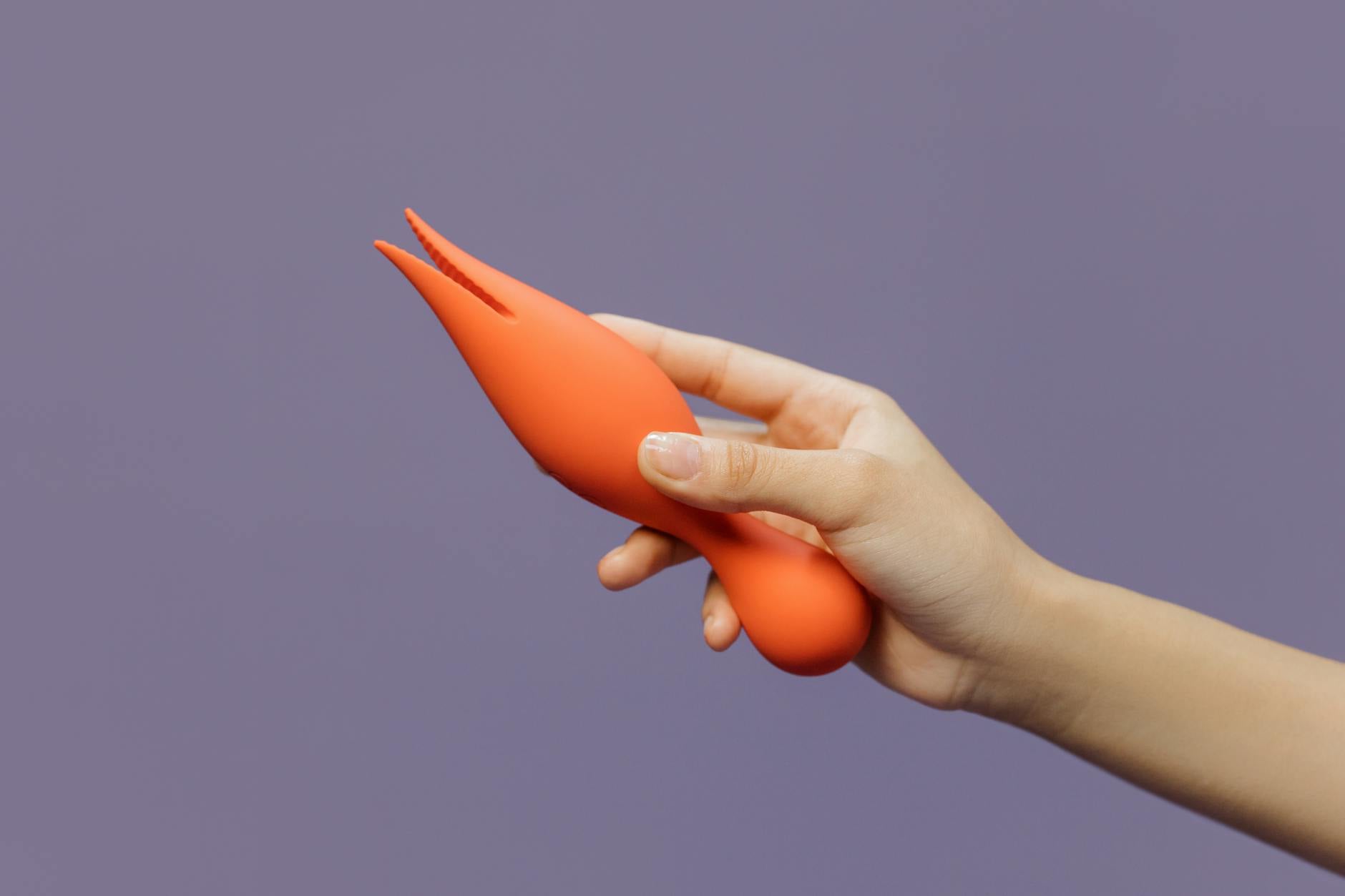
Suction technology doesn't require friction. The Lem uses gentle suction rather than vibration alone. This means you get stimulation without the kind of direct pressure that can feel intense or uncomfortable on sensitive external tissue. Suction is also less likely to overstimulate, which matters if you're healing.
You control the intensity completely. Unlike a partner's hand or a toy designed for penetration, you can adjust the suction level on the Lem from the first pattern up. Many people start at pattern one and stay there. No guessing. No pressure to "handle" something stronger.
Solo use removes performance pressure. When you're recovering, the last thing you need is managing someone else's expectations. Exploring clitoral stimulation alone lets you focus on what actually feels good without the cognitive load of partnering.
How to use lemon vibrators when penetration is painful
Start with prep
Your vulva might be tender. That's normal. Spend 5-10 minutes doing something comforting first. A warm bath, a heating pad on your lower abdomen, or just lying down for a few minutes helps blood flow. Your clitoris is more responsive when you're relaxed.
Wash your hands and the toy. Use the included charger and make sure the Lem is at full battery. Dead vibrators mid-session defeat the whole point.
The first time
Start at pattern one. This is not where you'll stay forever, but it's where you figure out what sensation feels okay. Some people find any suction makes them nervous after pain. That's fine. Lower intensity lets you build confidence.
Apply the toy to your clitoris gently. You don't need to press hard. The suction does the work. If it feels uncomfortable, stop. Uncomfortable is not the same as "this might hurt my healing." But trust your body.
Many people report that clitoral stimulation during healing actually feels grounding. Something about having control over a pleasurable sensation shifts the nervous system out of the "my body is broken" story into something gentler.
Gradually find your rhythm
Over a few sessions, you might move from pattern one to pattern two or three. You might not. Both are fine. The goal isn't to access your pre-recovery arousal settings. It's to feel pleasure without pain.
Some people find that changing position helps. Lying on your back with a pillow under your hips, or on your side. Small angles shift what feels good. You're in charge of the experiment.
What to expect from your nervous system
If you're recovering from trauma or a particularly difficult medical experience, your nervous system might be in protection mode. Even though clitoral stimulation doesn't disturb your healing tissue, your brain might still register it as "risky." This is normal. It doesn't mean you're broken.
You might feel arousal turn off unexpectedly. You might feel anxious even though the sensation itself feels fine. You might need to stop and come back tomorrow. All of this is okay.
One approach that helps: name what you're doing as separate from whatever caused the pain. "I'm using the Lem because I want clitoral stimulation. This is different from penetration. This is what I'm choosing." The specificity helps your nervous system understand that you're not recreating the triggering situation.
If anxiety shows up repeatedly, it's worth talking to a trauma-informed sex therapist. They can help your nervous system understand that pleasure isn't dangerous, which is different from anything you can fix alone.
Timing within your recovery
Don't start clitoral stimulation with lemon vibrators until your healthcare provider has cleared you for any sexual activity. That timeline varies wildly. Post-surgery might be 4-6 weeks. Recovering from an infection or inflammation might be different. Ask your doctor specifically about external stimulation if penetration is still off limits.
Once you're cleared for external stimulation but not penetration, you have options. Some people use lemon adult toys daily. Some use them occasionally. Some discover they're not actually interested in pleasure during recovery and that's fine too. There's no "should" here.
Talking to your partner about this
If you have a partner, this conversation matters. Here's what you're aiming for: "Penetration causes me pain right now, so that's not happening. I am interested in clitoral stimulation with toys. This is about my pleasure during recovery, not about what you can or can't do." Clear. Separate. True.
Some partners want to participate. Some don't. Some feel awkward about the toy. Those are all different conversations. But the core message is simple: clitoral stimulation with a lemon vibrator is something you're doing for yourself, during healing, because it feels good and doesn't hurt.
When to know something's wrong
Increasing pain, bleeding, or discharge that changes character during or after using a toy means stop and call your healthcare provider. Most lemon vibrators are safe silicone and low-risk, but healing tissue is fragile. If something shifts, check in.
Likewise, if anxiety or flashbacks show up consistently, that's not something to push through. That's a signal to bring in professional support.
The permission piece
Here's the part nobody emphasizes: you deserve pleasure while you're healing. Not in some spiritual "self-care" way. Actually. Your body is doing hard work rebuilding itself. That doesn't make pleasure selfish. It makes it grounding.
Using lemon clitoral vibrators during recovery isn't a workaround for "real" sex. It's access to orgasm, arousal, and physical sensation on your own terms, during a time when your body needs gentleness. That's valuable. It matters. And you don't need permission beyond your own.
Questions people actually ask
Can I use a vibrator if I'm still bleeding from surgery or delivery?
No. Internal bleeding or active fluid discharge means wait. Most healthcare providers clear you for external-only activities once active bleeding has stopped, which varies from days to weeks depending on what happened. Ask your doctor specifically about external vibrator use, not just "sexual activity."
Does using the Lem during healing slow down recovery?
Not if you're using it only on external tissue, which is all the Lem does. You're not introducing anything into the healing site. You're stimulating skin that's intact. That said, if you notice increased pain, swelling, or discharge after using it, stop and check in with your provider.
What if my partner feels threatened by me using a toy during recovery?
That's a separate conversation from the physical recovery, though it often gets tangled together. The simple truth: this is about your body, your pleasure, and your healing. A partner's comfort with a toy is about them, not about whether you should have access to pleasure. If this comes up, consider talking to a relationship specialist who understands both sexuality and recovery.
Can I have partnered sex if clitoral vibrator use feels good but penetration still hurts?
Yes, though it looks different. Oral sex, manual stimulation, or partnered use of a toy can all be on the table while penetration is still off limits. The Lem works beautifully as a couples tool, but that's a slower conversation. First get comfortable using it alone.
How long does it usually take before penetration stops hurting?
It depends entirely on what caused the pain. Post-surgical healing might be 6-12 weeks. Chronic conditions like endometriosis fluctuate. Recovering from trauma can take longer. There's no timeline. Your body will tell you when it's ready. Until then, lemon vibrators give you another way to feel pleasure.
What if I don't want penetration anymore, even after I heal?
That's valid. Many people discover during recovery that they don't actually miss penetration. Clitoral stimulation might be exactly what they want. That's not a loss. That's clarity. Your pleasure doesn't need to look the way it did before.
Final thought
Healing isn't a pause on pleasure. It's a different chapter. Lemon sexual toys like the Lem let you stay connected to your body and your desire while you're rebuilding. That matters more than you probably think.
If you have questions about your specific situation, reach out. That's what we're here for.