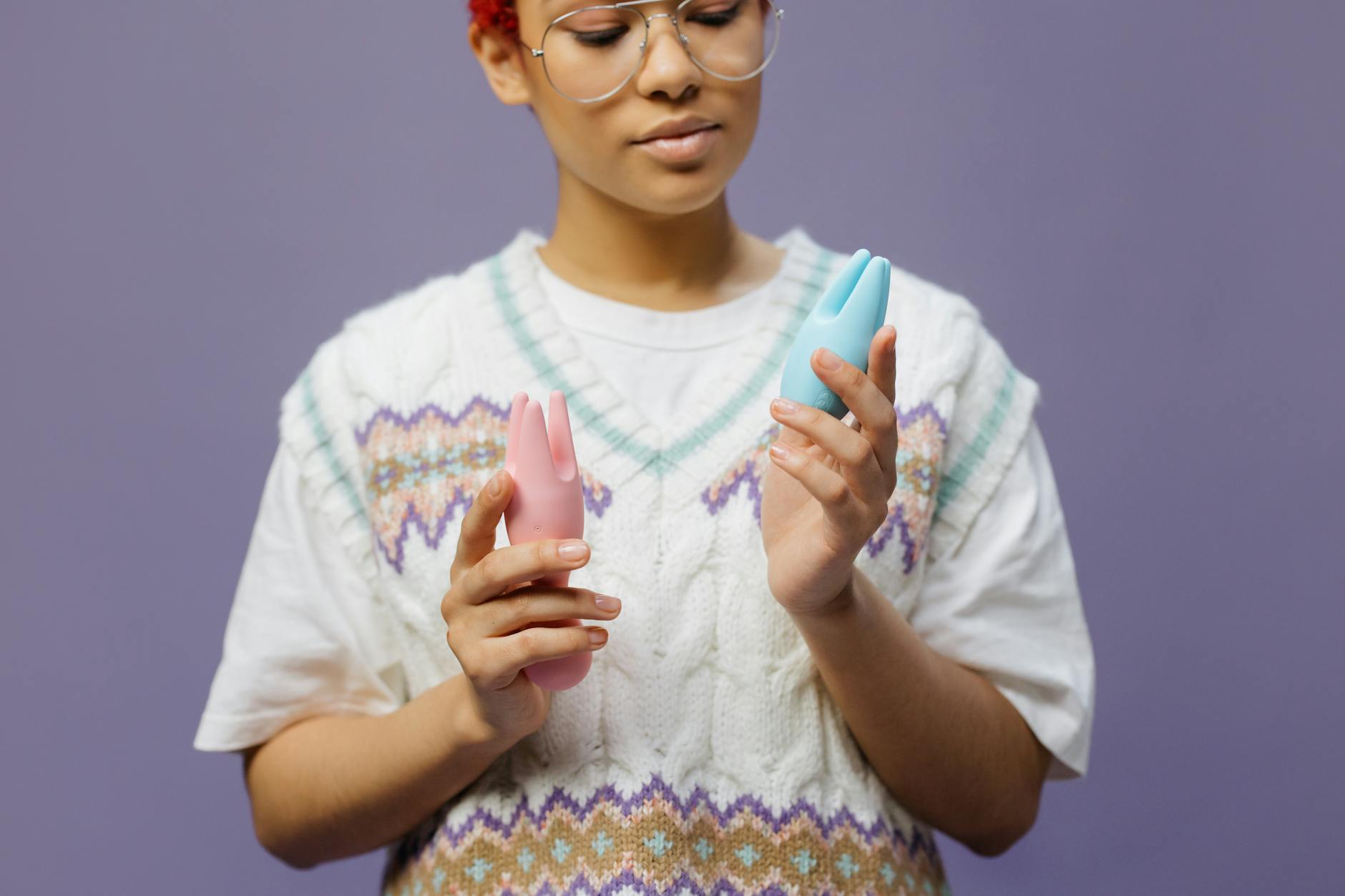
When lubrication stops being what you expect
Let's be real: your body's natural lubrication is not a constant. It shifts with your cycle, your stress levels, what medication you're on, how hydrated you are, and about fifty other variables nobody warns you about. And if you've been using lemon vibrators or any clitoral suction toy, you've probably noticed that changes in moisture feel enormous at the point of contact.
The good news is this: it's not a sign you've broken anything. It's also not a reason to stop using the toys you love. It just means you need to get deliberate about what you add, how you apply it, and what intensity settings work best right now.
Understanding why lube feel matters more with suction
A traditional vibrator can work dry if you're patient enough. Suction toys like lemon clitoral vibrators rely on a gentle seal between the toy and your skin. That seal works best with some moisture in the room—whether that's natural lubrication or something you add. Without it, suction feels less pleasurable and sometimes uncomfortable, like the toy is pulling too hard on tissue that's already sensitive.
Here's the thing: when your natural lubrication drops, adding the wrong type of lube can actually make the experience worse. Some lubes feel sticky. Some desensitize. Some degrade silicone faster than others. And if your sensitivity is already high because your moisture is low, the wrong choice becomes a real problem.
The lube hierarchy for lemon vibrators
I recommend this order of preference when your lubrication is changing:
Water-based lubricants are your first choice. Brands like Hyalo, Astroglide, or even plain options work beautifully with lemon suction toys and don't damage silicone. They feel closest to natural lubrication and tend to feel the least "slippery" if that's a concern. The tradeoff is they dry out faster than silicone-based lubes, which means you might need to reapply during longer sessions.
Hybrid lubes (water and silicone blend) are the middle ground. They stay wet longer than water-based and feel smoother, but they're harder to clean off silicone toys. If you go hybrid, use a tiny amount and plan on a proper wash afterwards.
Silicone-based lubes are off the table. I know they feel incredible and last forever. But they will degrade your silicone toys over time, and lemon clitoral vibrators deserve better. Skip this one.
Hyaluronic acid serums or personal moisture gels are worth trying if you're sensitive to traditional lubes. They feel more like your body's own lubrication and some people find them less sticky. The catch is they can be pricier and sometimes have a narrower window of comfort before they dry out.
How to apply lube when sensitivity is high
Application matters as much as the product itself. Here's what I tell clients:
Don't glob it on. Start with less than you think you need. For lemon vibrators, a dime-sized amount on the toy itself plus a tiny bit on your clitoris is usually enough. You can always add more. Adding too much upfront makes the sensation diffuse—the suction pressure spreads out instead of focusing where you need it.
Warm it up. Lube that's room temperature can feel jarring if your skin is already sensitive. Either warm the tube in your hands for a few seconds or apply it and let your body heat it for a moment before you start.
Go low on intensity at first. If you're using a lemon clitoral vibrator on pattern 3 when your moisture is normal, dial back to pattern 1 or 2 when things are dry. The suction will feel stronger without the buffering effect of natural lubrication. You're not losing sensation—you're just being smart about pressure on delicate tissue.
When to pause and reassess
Pain is never normal, even when sensitivity is high. If you're experiencing pinching, burning, or raw sensation that doesn't improve after a few seconds of pausing, stop. This might be a sign that lubrication isn't the only issue—inflammation, infection, or medication effects might be at play. A quick call to your GP or gynecologist is worth it. Things like topical estrogen cream or a simple antifungal can make the entire experience shift back to normal.
Discomfort that resolves with more lube or lower intensity is fine. Actual pain is your body's way of saying something needs professional attention.
Hydration and timing matter more than you'd think
Your natural lubrication production is deeply tied to hydration. If you're dehydrated, your body isn't making what it normally does. It sounds obvious, but most people don't drink enough water before intimate time. Try this: hydrate heavily the day before and morning-of. It genuinely changes what your body has available.
Timing also matters. Your natural lubrication fluctuates through your cycle. If you normally have great lubrication mid-cycle and you're using lemon vibrators right before your period, you might be fighting biology. It's not a reason not to play. It just means you're bringing lube to the party instead of relying on your body's supply.
Stress tanks your lubrication too. If you've been running on fumes emotionally or you're in a high-stress period, your body isn't going to produce moisture the way it does when you're relaxed. This is worth naming with your partner if you have one. "My body's moisture is low right now because of work stress" is information, not a problem.
Medication and supplements that shift lubrication
If your lubrication changed suddenly and you recently started a new medication, that's often the culprit. Antihistamines, some antidepressants, birth control methods, and even certain supplements can dry you out. This isn't permanent—your body often adjusts after a few months, or your doctor can switch you to something else. In the meantime, lube is your friend.
Antihistamines are sneaky because they dry out mucous membranes everywhere—nasal, mouth, and yes, genital. If you take them regularly, expect to need more lube during intimate time and don't interpret it as anything wrong with your pleasure capacity.
The suction advantage when lubrication is tricky
Here's what I actually love about recommending lemon clitoral vibrators specifically when someone's lubrication is unpredictable: suction doesn't require the same kind of continuous moisture that friction-based toys do. You're not rubbing. You're creating a gentle seal and pulse. That means you can get amazing sensation with less natural lubrication than you'd need for a traditional vibrator. You just need enough lube to help the seal form smoothly—not to create a slick surface.
That said, if your lubrication is really low, consider alternating between your lemon vibrator and other tools. A small vibrator that works on friction might feel fine one day. A suction toy might be perfect another day. Having options means you're never forced to push through discomfort.
Building your lube travel kit
If lubrication sensitivity is a regular thing for you (not just situational), keep a small lube collection. A water-based lube in the bedroom drawer. A hyaluronic acid option if you're sensitive. A tiny bottle for travel. This way you're never scrambling and never using something that doesn't work for your body. It's one of those small choices that completely changes how often you actually reach for your lemon vibrator.
Label them clearly if you're sharing space with a partner. And check expiration dates. Lube does go bad, and old lube feels different and sometimes smells off.
FAQ: Lube, Sensitivity, and Lemon Vibrators
Why does my lube dry out so fast with suction toys?
Suction toys work by creating a seal, which reduces air circulation around the lube. Water-based lubes evaporate and are more sensitive to heat and friction than you'd expect. This is normal. Have more lube nearby when you're planning a longer session and reapply every 5-10 minutes if needed. It's part of using these toys well.
Can I use coconut oil with my lemon vibrator?
Technically yes, but I wouldn't. Coconut oil can be comedogenic (pore-clogging) and might trap bacteria if you have a microbiome that's already sensitive. It also residue-builds on silicone toys. Stick with lube designed for intimate use. It's not expensive and it's designed for this.
What if I'm allergic to propylene glycol?
Many water-based lubes use propylene glycol as a preservative. If you're sensitive to it, look for lubes labeled "hypoallergenic" or "free from glycerin and propylene glycol." Hyaluronic acid products and some premium water-based brands skip these ingredients. Test on a small area first, because allergic reactions down there are uncomfortable.
Is it normal for my lubrication to change month to month?
Completely normal. Hormones, hydration, stress, diet, and what you're taking all shift it. If it's dramatic or accompanied by itching, odor, or discharge that looks different, check with your doctor. Otherwise, just roll with it and adjust your lube game accordingly.
How much lube is too much when using lemon clitoral vibrators?
If you can't feel the suction anymore, you've used too much. Start small and add more only if you need to. Most people find that a dime-sized amount on the toy plus a tiny bit on the clitoris is enough. More lube equals less precise sensation, which defeats the purpose of a focused suction toy.
Can lubrication changes mean something's wrong with my health?
Sometimes. Sudden, dramatic dryness without an obvious cause (medication, cycle phase, stress, dehydration) is worth mentioning to your doctor. It could be hormonal, could be an infection, could be nothing. But if it changes how you function day-to-day, get it checked. In the meantime, lube makes your lemon vibrator work beautifully regardless of what's happening with your natural moisture.
The real truth about lube and pleasure
Using lube doesn't mean your body's broken. It means you're paying attention to what you need and making adjustments. That's actually the most confident move you can make. The people who have the best experiences with lemon vibrators are the ones who fiddle—who try different lubes, different amounts, different intensities—until they find what works for their body right now.
Your lubrication will probably change again in three months or a year. That's okay. You'll know how to handle it.
If you're looking for more support navigating these shifts, especially if they're tied to relationship dynamics or stress, reach out. Sometimes the answer isn't about the toy. It's about understanding what's happening in your body and life. That's where real pleasure returns.