How to Use Lemon Vibrators When Clitoral Tissue Becomes More Sensitive With Age
Let's be real. Nobody tells you that your clitoris changes as you age. Not in a bad way necessarily. But it changes. The tissue becomes thinner, more reactive, sometimes almost hypersensitive to direct stimulation. What used to feel good at full intensity now feels aggressive. What used to take twenty minutes to build now hits in five. Your body isn't broken. It's just... recalibrated.
This shift catches people off guard because we're taught that pleasure decreases with age. In my practice, I see the opposite. People discover that pleasure deepens when they stop fighting their body's new sensitivity and instead learn to work with it.
Why clitoral tissue becomes more sensitive as you age
Three physiological things happen. First, the skin thins naturally. The clitoral hood provides less cushioning, and the glans becomes more exposed. Second, nerve density shifts. The same nerves are there, but they're now positioned differently in thinner tissue, which means stimulation registers more intensely. Third, collagen breaks down in the surrounding ligaments, so there's slightly less structural support and less variance in how pressure distributes.
The result? Direct vibration that felt perfect at forty-five can feel raw or overwhelming at fifty-five. It's not a loss of capacity. It's a change in how stimulation travels through tissue.
Hormonal shifts accelerate this. Estrogen maintains tissue thickness and lubrication. As estrogen drops through perimenopause and menopause, you're dealing with both thinner tissue and reduced natural lubrication. That's a double bind that makes harsh vibration feel genuinely uncomfortable.
What doesn't change (and this matters)
Your clitoris still has roughly eight thousand nerve endings. Your brain still processes pleasure exactly the way it did. You can still orgasm intensely. You can still experience multiple orgasms. The architecture of arousal hasn't changed. What's changed is the path to get there.
I tell clients this: aging doesn't take pleasure away. It edits the instructions for accessing it.
Why suction vibrators work better for sensitive tissue
This is where lemon vibrators, especially models like the suction-based Lem vibrator, become genuinely useful. Instead of rapid vibration on directly exposed tissue, suction creates a gentle seal and pulls the clitoral tissue up into a cup. The stimulation happens inside that sealed space, distributed across the entire glans rather than concentrated on one spot.
That distribution matters. When you're dealing with thinner, more reactive tissue, the difference between pressure spread across the whole clitoris and pressure pinpointed on sensitive spots is the difference between pleasure and discomfort.
Suction also allows for variable intensity without changing the mechanism. You can start at the lowest suction setting and build gradually. The tissue isn't being hammered at a fixed frequency. Instead, it's being gently drawn and released, drawn and released. The sensation builds layer by layer rather than arriving at full force immediately.

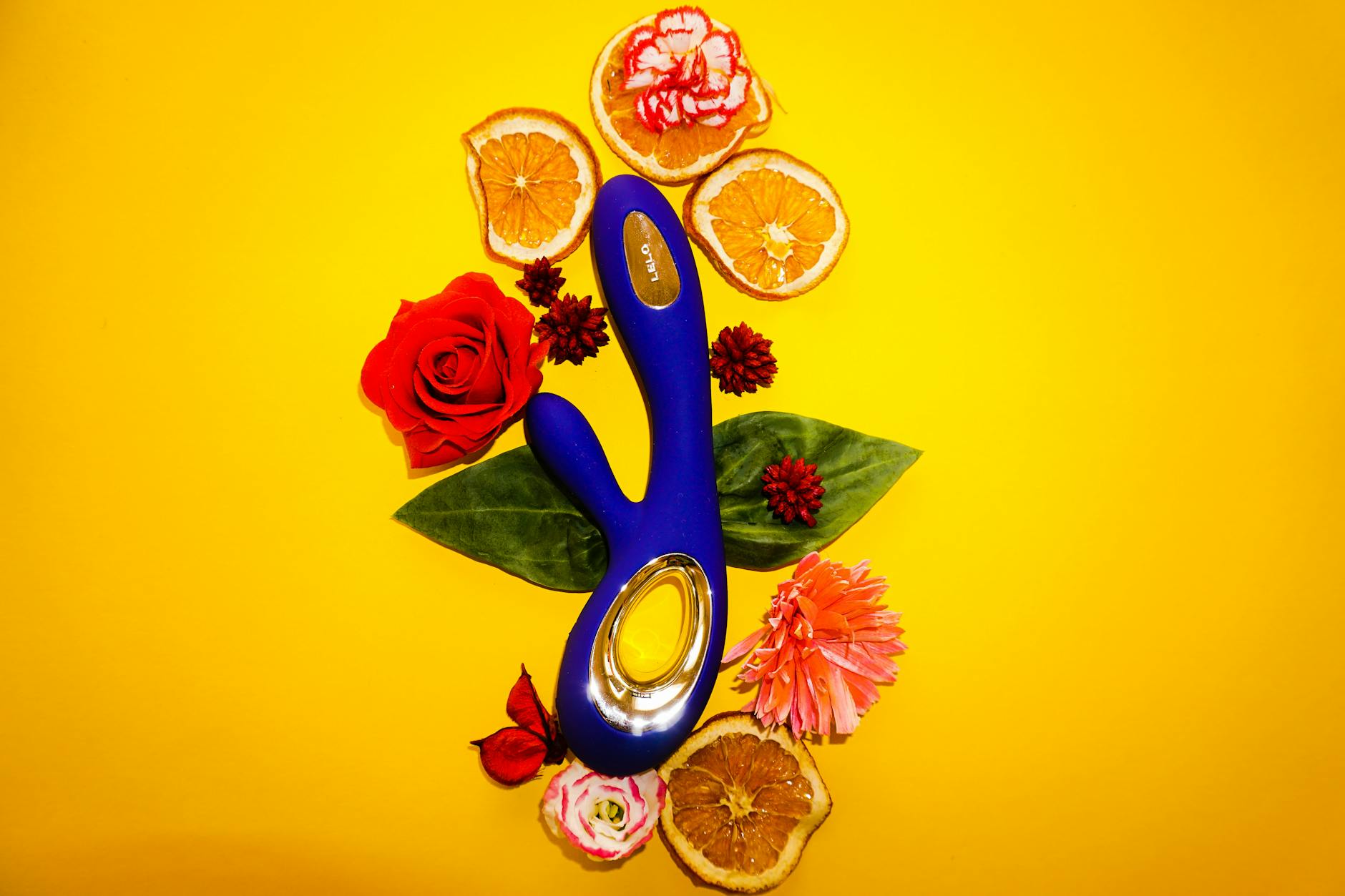
Photo by Olga Lioncat on Pexels
Starting with lower intensity settings
If you've used traditional vibrators before, your instinct might be to start where you used to start. Resist that. With increased sensitivity, the lowest settings on a Lem vibrator or similar suction device often feel like the sweet spot, not a warm-up.
Spend time at settings one and two. Give your nervous system time to recognize the sensation and adjust. Many people find that what felt boring or weak initially becomes deeply pleasurable once they relax into it. The reason? You're not fighting the sensation. You're not bracing against intensity. Your pelvic floor can stay relaxed, your breath can stay natural, and your arousal can build without resistance.
Then, if you want to increase, you can. But you might not want to. That's not settling. That's efficiency.
The warm-up window expands
As tissue sensitivity increases, arousal generally takes longer to build but goes deeper once it starts. Budget twenty to thirty minutes for foreplay or solo exploration instead of the five or ten you might have needed younger. This isn't a setback. It's an invitation to slow down.
Use this time differently. Light touching, mental focus, breathing exercises, or partnered foreplay that doesn't immediately jump to genital contact. Lemon vibrators are tools for the final part of that journey, not the beginning. When you use suction stimulation after your body has already started warming up, everything feels better.
Managing over-stimulation when sensitivity spikes
Sometimes, even gentle suction feels too intense. This happens. It's not weakness or dysfunction. It's often a sign that your nervous system needs a different kind of prep. A few tactics that help:
Use water-based lubricant, even with suction devices. The glide reduces friction, which can feel raw on sensitive tissue. Water-based lubes work with suction without compromising the seal.
Desensitization breathing. Sounds weird, but it works. Slow, deliberate breaths lower your nervous system's defensive response to intense sensation. Try four counts in, six counts out, for two minutes before using your Lem vibrator.
External only approach. If clitoral tissue feels too tender for direct contact, use the vibrator on the mons pubis or the area around the clitoris rather than directly on the glans. The sensation still registers, but it's filtered through more tissue layers.
Cool-down periods. Unlike younger bodies, sensitivity can build to a point where continued stimulation becomes uncomfortable. Take breaks. Two to three minutes of rest between sessions with the vibrator often resets your nervous system.
The role of partner communication
If you're with a partner, this changing sensitivity is worth discussing openly. What felt good together five years ago might not work now. This isn't about lost passion. It's about logistics. Many couples find that introducing lemon vibrators or clitoral vibrators into partnered sex actually deepens intimacy because it removes the performance pressure. You're not waiting for your body to respond the old way. You're using tools that work with your actual body right now.
Partners sometimes worry that using a vibrator means their touch is somehow insufficient. It's the opposite. A Lem vibrator or similar suction device allows you both to focus on what feels good instead of on what you think should feel good. That's permission to be present.
When to reassess your approach
Sensitivity isn't static. It changes month to month based on stress, sleep, hormonal cycles, medications, and life circumstances. What worked last month might need adjustment. That's not frustrating. That's information.
Check in with yourself regularly. Does the lowest setting still feel good, or has sensitivity increased? Do you need longer warm-up now, or less? Are you having any pain? Pain is different from intensity. Pain means stop. Intensity that builds pleasure is fine.
If pain appears or persists, that's worth mentioning to a healthcare provider. Genitourinary syndrome from hormonal changes, contact dermatitis, or other issues can mimic increased sensitivity but need actual treatment.
FAQ
Why does clitoral stimulation feel more intense as I age?
Thinner tissue, shifted nerve positioning, and reduced structural support all mean the same vibration registers more intensely on aging tissue. It's not psychological. The tissue architecture has actually changed. Suction-based vibrators like those offered by Lemon Toys Official distribute pressure more evenly, making stimulation feel more comfortable and pleasurable.
Can I still use my regular vibrator, or do I need something different?
You might be able to, but lemon vibrators and other suction devices are often more comfortable because they distribute stimulation across the entire glans rather than concentrating it. If your current vibrator feels harsh or uncomfortable, switching to a suction model designed for sensitive tissue usually helps. Start with lower intensity settings regardless.
Is increased clitoral sensitivity a sign of hormonal changes?
Not always. It can be, especially during perimenopause or menopause. But aging alone thins tissue and shifts nerve positioning. You can experience increased sensitivity without major hormonal shifts. If sensitivity appears suddenly alongside other symptoms, mentioning it to a healthcare provider helps clarify whether hormones are involved.
Does increased sensitivity mean I'll have more orgasms?
It can mean easier orgasms, which some people interpret as more. But sensitivity and frequency aren't the same thing. You might find that orgasms arrive faster but that you have the same number overall. Or you might find that you're having more frequent arousal because your body is more reactive. Everyone's different.
What lubricant works best with suction vibrators for sensitive tissue?
Water-based lubricants are safest with silicone toys and suction devices. They reduce friction without compromising the seal that makes suction vibrators work. Apply around the clitoris and inside the cup before use. You'll likely need less lubrication than you might expect because suction devices create their own seal.
Is it normal for my clitoris to feel tender after using a vibrator?
Some tenderness is normal immediately after. If it lasts longer than a few hours or feels painful, you might benefit from lower intensity settings or shorter session times. Listen to your body. Tenderness that persists or worsens is worth discussing with a healthcare provider. Pleasure-related sensation should feel good during and after, not painful.
What comes next
Aging changes how your body responds to stimulation. It doesn't diminish capacity for pleasure. When you stop expecting your fifties or sixties to feel like your thirties and instead learn what actually feels good now, pleasure often deepens. That's not compensation. That's precision.
Lemon vibrators, particularly suction-based models, work well with aging bodies because they're designed around how sensitive tissue actually responds. Start low, go slow, and give yourself permission to explore what feels good right now. Your body isn't broken. It's just sending you better instructions.
If you'd like to discuss how to navigate these changes within your relationship or explore other approaches that work for you, get in touch.