
Here's the thing about numbing lube
Numbing lubricants work exactly as advertised. They numb. But when you use them regularly, your clitoris starts to adapt to reduced sensation. Over time, that adaptation can linger even after you stop using them. The good news: your sensitivity absolutely can come back. The better news: you can speed up recovery with the right approach.
I see this happen most often with people who've been using numbing lubes to manage performance anxiety or discomfort during partnered sex. The irony is that the product that temporarily solved one problem quietly created another. Your body got used to less input and stopped firing at full capacity. We can reverse that.
Why numbing lubes create lasting desensitization
Your clitoris has roughly 8,000 nerve endings packed into a tiny space. That density is what makes it so responsive. Numbing lubes contain benzocaine, lidocaine, or prilocaine. These are local anesthetics that block nerve signals. They work by binding to sodium channels on nerve membranes, preventing electrical signals from traveling to your brain.
Here's where it gets tricky. When you apply these repeatedly, your nervous system responds to the chronic reduction in input by downregulating. That means your nerve receptors become less sensitive overall. It's your body's adaptation mechanism. It's not permanent, but it does mean that even after you stop applying numbing products, sensation doesn't snap back immediately.
The thicker or more concentrated the numbing formula, and the more frequently you use it, the longer adaptation takes to reverse. Daily use for months can mean 4 to 8 weeks of recovery. Occasional use over a shorter period usually resolves in 2 to 4 weeks.
The first step: go cold turkey
Stop using numbing lubes entirely. This isn't negotiable for recovery. Your nervous system needs clean input to recalibrate. Any continued numbing product will reset the clock.
Switch to a standard water-based or silicone-based lubricant that has zero numbing agents. Read the ingredient list carefully. Sometimes products label numbing ingredients in small print. You're looking for anything that says benzocaine, lidocaine, prilocaine, or phenol. If it says "cooling" or "tingling," check the full ingredient list.
Rebuild sensation gradually
The goal during recovery is to reintroduce normal stimulation in a controlled way that doesn't overwhelm or frustrate you. Your clitoris needs time to remember what full sensation feels like.
Start with indirect touch. For the first week or two of recovery, avoid direct clitoral contact during solo play. Instead, stimulate the vulva broadly. The labia, the clitoral hood, the area around the clitoris. This activates nerve pathways without demanding full responsiveness from your clitoris itself.
Introduce texture variation. Use different materials against your skin. Fingers with varying pressure. Soft fabrics. This sends diverse sensory signals to your brain and helps wake up nerve receptors that have been quieted.
Go slower than feels natural. You'll feel an urge to speed up to compensate for reduced sensation. Resist it. Slower stimulation actually promotes nerve recovery because it demands more precise neural signaling. Fast or intense stimulation can feel numb even when recovery is happening underneath.
Why lemon vibrators and suction toys help recovery
Clitoral sucking devices like Hello Nancy's Lem work differently than standard vibrators. Instead of direct percussion, they use rhythmic suction and pulsing. This stimulation pattern activates different neural pathways than what numbing lubes were blocking.
Suction-based stimulation engages a broader network of nerve receptors across the clitoris. It's also gentler during the desensitization recovery phase because the sensation feels distinct and novel. Your nervous system recognizes it as a different kind of input, which helps rebuild responsiveness.
Start on the lowest setting. The Lem's pattern 1 or 2 is plenty for recovery work. Spend 10 to 15 minutes at low intensity, two to three times a week. You're not chasing orgasm. You're rewaking sensation. This is actually why many people report that their first few weeks back to lemon clitoral vibrators feel more pleasurable than they did before numbing lube use. The novelty and the different neural pathway create real sensation intensity.
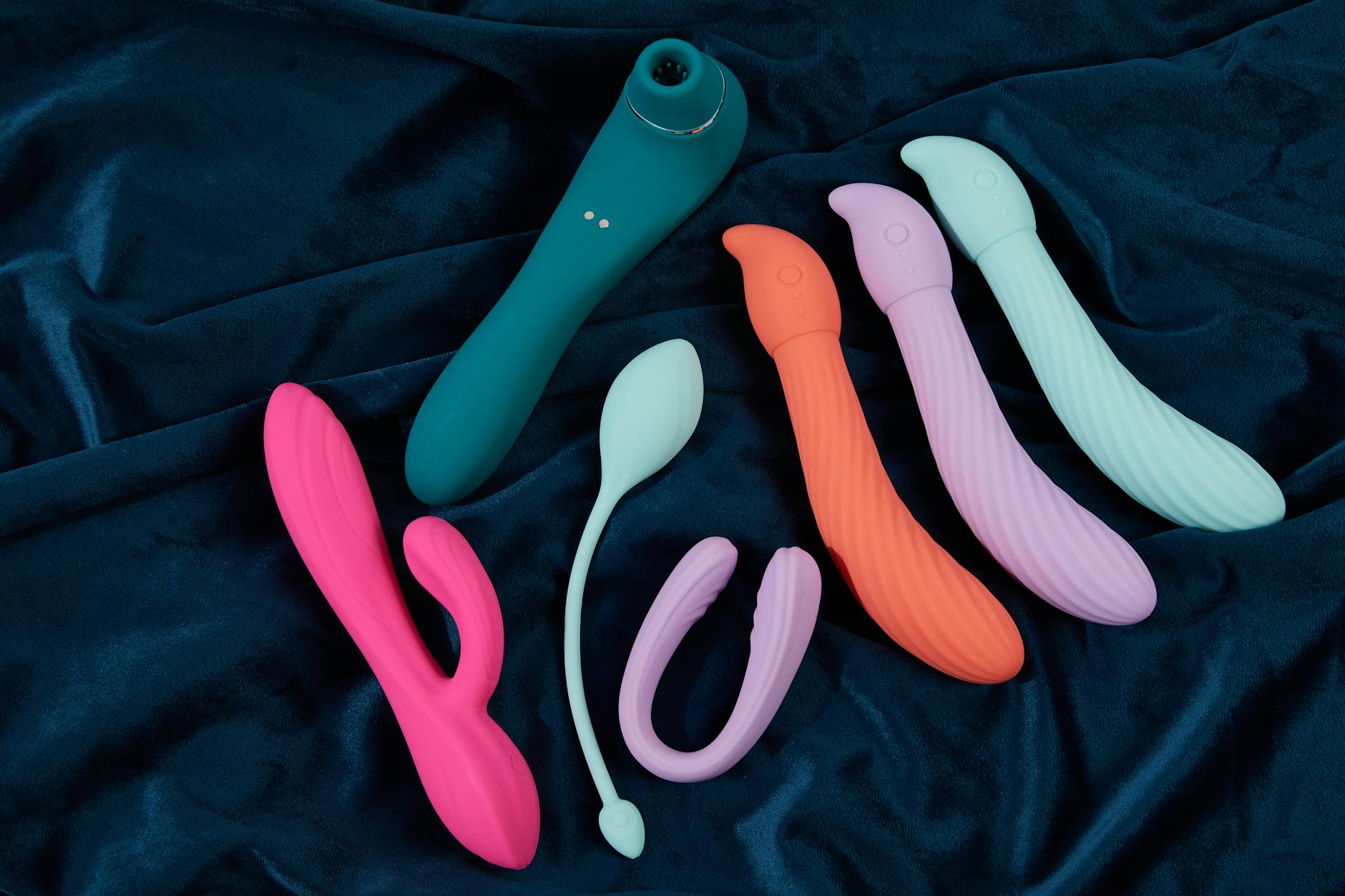
Photo by IFONNX Toys on Pexels
The role of mental state
Desensitization isn't purely physical. Your brain is part of the circuit. If you've been using numbing lubes because of anxiety about performance or pain, that psychological component will still be there after the lube is gone.
During recovery, you'll likely notice that sensitivity returns unevenly. Some days you'll feel almost normal. Other days sensation will feel flat again. This is completely normal neurological adaptation, but if you overlay anxiety on top of it, it can feel like recovery isn't working.
The fix is radical permission. Tell yourself that for the next 4 to 8 weeks, you're not here to orgasm. You're here to feel. Orgasm is allowed, but it's not the goal. This frame shift actually accelerates recovery because your nervous system stops bracing and starts paying attention.
If you have a partner, let them know you're in a sensitivity recovery phase. This isn't shameful or weird. It's you taking care of your body. A good partner will see that as generous information, not a problem to solve.
When to pause and reassess
If after 3 weeks of no numbing lube and regular gentle stimulation you're not noticing any return of sensation, there might be something else going on. Hormonal factors, certain medications, or underlying nerve issues can also flatten sensation. It's worth checking in with a gynecologist or a sexual health specialist.
But most of the time, sensitivity does return. And most people find that their clitoris feels more responsive than it did before numbing lube use, because they're paying attention to it in a different way.
FAQ
How long does it take to recover sensitivity after numbing lube?
It typically takes 2 to 8 weeks depending on how frequently and for how long you used numbing products. Daily use for several months might take 6 to 8 weeks. Occasional use over a few weeks usually clears in 2 to 4 weeks. Everyone's nervous system recalibrates at slightly different speeds.
Can numbing lube permanently damage clitoral sensation?
No. Numbing lubes work on nerve signal transmission, not nerve structure. Your nerves aren't harmed. They're just adapted to reduced input. Once you remove the numbing stimulus and reintroduce normal sensation, your nervous system will restore full responsiveness.
Should I use warming or tingling lubes during recovery?
No. Any lube with additional sensory agents (cooling, warming, tingling) is still sending altered signals to your nervous system. Stick with plain water-based or silicone lubes during recovery. The goal is normal, unmodified sensation.
Why do lemon vibrators work better than regular vibrators for rebuilding sensitivity?
Suction-based clitoral vibrators like the Lem engage different nerve pathways than traditional vibration. The rhythmic suction pattern activates a broader network of clitoral nerve receptors. During recovery from desensitization, this novel stimulation pattern helps rewake sensation more effectively than the same vibration pattern you might have been using before.
Is it normal to feel frustrated during recovery?
Yes. You've adapted to reduced sensation, so normal sensation might feel underwhelming at first. You might also have psychological associations with numbing lube (comfort, anxiety relief) that make you want to go back. This is normal. Push through it anyway. Recovery usually feels great by week 3 or 4.
Can I use numbing lube again after recovery?
Technically yes, but I wouldn't make it a habit. Occasional use for specific situations is lower risk than regular use. But if you find yourself reaching for numbing products more than once or twice a month, that's worth exploring. There's usually an underlying anxiety or pain issue that deserves real attention, not just a numbing band-aid.
Your clitoris wants to feel again
Numbing lube solved a temporary problem. Recovery is solving the real one. Stick with the clean sensation, the gentle rhythm, and the patience. Your sensitivity will come back. And when it does, you'll have rebuilt a relationship with your pleasure that's actually yours, not one borrowed from a numbness product. That's worth the wait.
Ready to explore sensation recovery with better tools? The lemon clitoral vibrator is designed for exactly this kind of retraining work. Or if you want to understand more about how different stimulation styles affect sensitivity, check out our guide on how to choose between suction and vibration clitoral toys. And if anxiety about sensation is what pulled you toward numbing lubes in the first place, lemon vibrators and anxiety relief might be a helpful read too.