When nothing feels like anything
You're in the moment. Your partner is present, attentive, doing everything right. And you feel almost nothing. Not discomfort, not pain. Just... absence. Like someone dimmed the lights in your own body and forgot to turn them back on.
Complete numbness during sex is one of the most isolating things that can happen. Because from the outside, everything looks fine. But inside, you're disconnected from the only place pleasure is supposed to live.
Here's what matters to know: this is not rare, it's not your fault, and it's not permanent. I've worked with hundreds of people in long-term relationships who developed complete numbness over time, and almost every single one of them found their way back to sensation. Not the same sensation they had before. Something different. Often something better.
What actually causes sexual numbness
There are three main buckets. Most people live in more than one.
Psychological disconnect. When you spend months or years moderating your pleasure to fit into someone else's rhythm, your nervous system eventually stops broadcasting pleasure signals altogether. It's a survival mechanism. The body learns: "This isn't a safe place to want things, so stop wanting." That learning runs deep. Even when the relationship improves or circumstances change, the numbness lingers.
Physical desensitization. Repetitive stimulation in the exact same way, at the exact same intensity, for years, teaches your nerve endings to stop responding. This is why many people who've relied on the same partners, techniques, or hand motion for a decade report total numbness. The sensation pathway gets worn smooth.
Nervous system dysregulation. Stress, grief, burnout, depression, and chronic anxiety literally change how your body processes pleasure signals. Your nervous system is too busy managing threat (real or imagined) to allocate resources to sensation. The clitoris has nerve endings, but the brain isn't receiving the message.
Often it's all three at once. And they reinforce each other.
Why standard advice doesn't fix this
Most people try the obvious first: more foreplay, new positions, different partners, vibrators that buzz harder or faster. These tactics assume the problem is mechanical. "We just need better input."
But when your nervous system has learned not to feel, more input doesn't wake it up. It confirms the lesson. Your body interprets "let's try harder" as "this still doesn't work," and the numbness deepens.
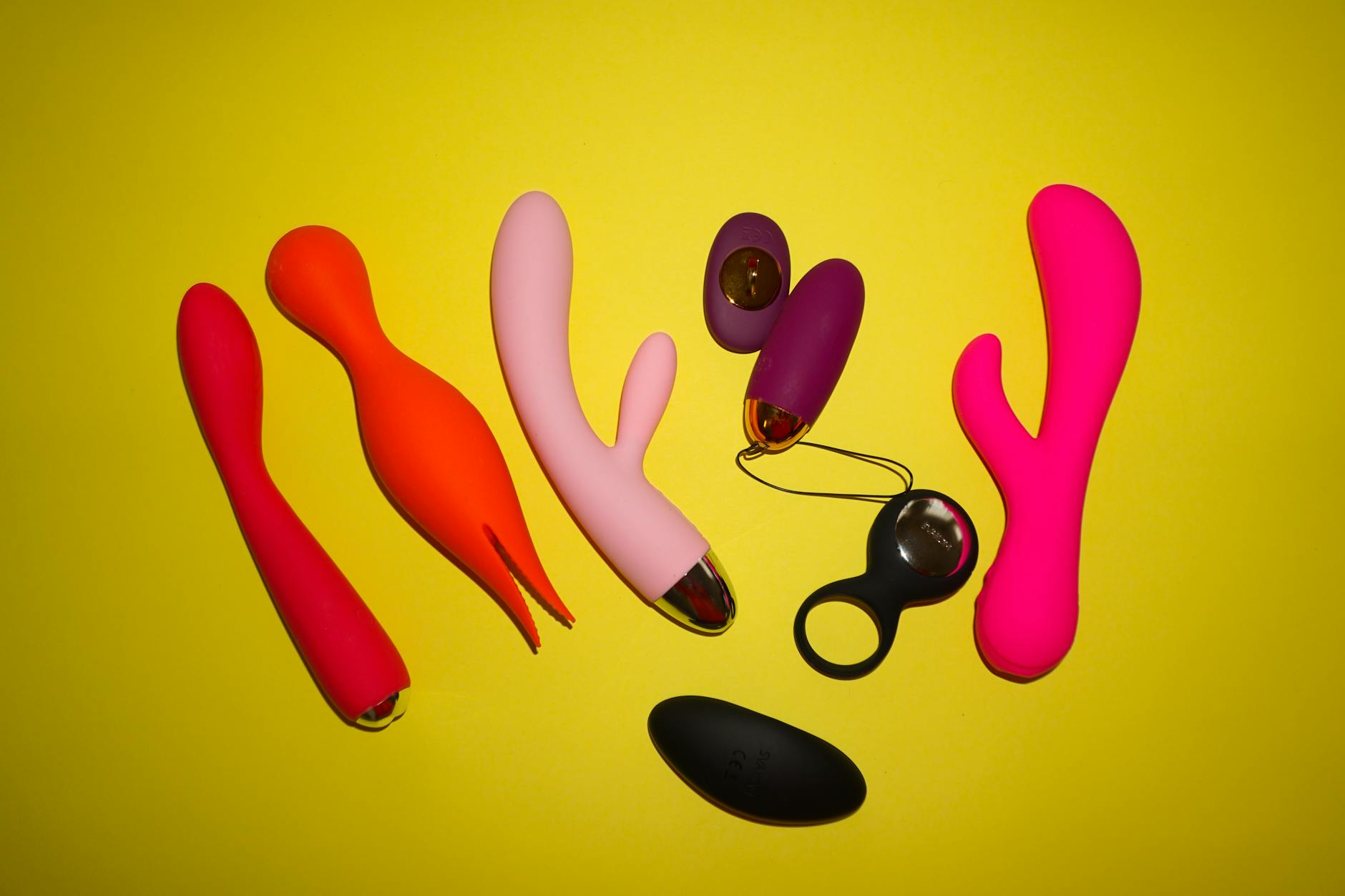
This is where lemon vibrators work differently. Not because they're magic. Because they interrupt the pattern in a specific way.
How lemon clitoral vibrators rebuild sensation
A lemon clitoral vibrator uses air-pulse technology, which creates a gentle suction pattern rather than traditional vibration. This matters enormously for rebuilding numbness.
It's novel. Your nerve endings have never felt this exact pattern before. Novelty is how you bypass desensitization. The nervous system perks up: "Wait, what's this?" Attention returns.
It doesn't require physical pressure. When you're numb, directional vibration against numb tissue feels like nothing. Air-pulse stimulation works through gentle suction, which recruits different nerve fibers. It's like finding a new door into sensation when the original one got stuck.
It's paced differently. The rhythm of a lemon vibrator isn't the rhythm of hands, not the rhythm of a partner's body, not the rhythm you've been feeling for a decade. This breaks the conditioned numbness response.
You can start at the lowest setting. Rebuilding sensation often requires starting so soft that it feels almost like nothing is happening. Lemon vibrators let you begin at pattern 1 or 2 and sit there for weeks if you need to. Retraining your nervous system to feel again is patient work.
The practical process
Here's what I recommend when someone comes to me with complete numbness.
Week one: exploration alone. Spend 15-20 minutes with your lemon vibrator at the lowest pattern, no pressure, no goal. You're not trying to come. You're trying to notice. What does pattern 1 feel like? Pattern 2? Can you feel a difference between them? Most people report that for the first few sessions, the sensation is faint. That's normal and good. Faint is the first step back from nothing.
Week two through four: expanding the map. As the lowest patterns start to register more clearly, slowly experiment with higher patterns. Again, alone. This is about your nervous system remembering how to receive, not about performing for anyone else.
Adding context slowly. Only once sensation begins returning solo should you consider bringing a partner into this. And here's the crucial part: your partner's job is to be present and patient, not to provide the stimulation. You direct the lemon vibrator. You decide the pattern, the duration, the pause. Your partner is a witness to your pleasure, not the provider of it.
This shift in power is often what finally heals the psychological numbness. For the first time in years, you're putting yourself first. Your pleasure matters enough to be the focus.
Managing the emotional piece
As sensation returns, emotion often comes with it. Sometimes relief. Sometimes grief. Sometimes anger at the time you spent numb. Some people cry during their first real orgasm in years.
This is part of the healing. You're not just rebuilding physical sensation. You're rebuilding the belief that your pleasure is worth pursuing. That your body is not broken. That you deserve to feel good.
If you have a partner, tell them what's happening. "I'm going to feel things differently now" is important information. Some partners feel threatened by this. That's worth noticing and, honestly, worth discussing with a therapist. A partner who wants you numb is a problem bigger than a vibrator can solve.
When to seek additional help
If you've been using a lemon clitoral vibrator consistently for two months and feel absolutely no shift in sensation, it's worth seeing a pelvic floor physical therapist or a sex therapist. Sometimes numbness is tied to pelvic floor tension so severe that retraining requires professional support.
Also: if numbness appeared suddenly alongside other symptoms like pain, discharge, or itching, see a gynecologist. Most numbness is psychological or neurological. But some isn't.
The part no one tells you
Many people emerge from complete numbness and discover their pleasure is now different. Not better or worse, just different. The intensity might be lower. The patterns that work might surprise you. You might need longer warm-up time than you did before.
This is not failure. This is evolution. Your body has taught you something about itself. That data is valuable.
I've worked with people who spent 15 years numb and now have the most satisfying sexual life of their entire relationship, starting around age 45 or 50. The numbness wasn't a tragedy. It was a signal that something needed to change. And once it did, everything shifted.
Your body can come back online. It just needs patience, novelty, and permission to feel again.
People Also Ask
Why do I feel numb during sex when my partner is trying to be intimate?
Psychological disconnection and nervous system dysregulation are the most common causes. When you spend time feeling unheard, pressured, or anxious during sex, your nervous system learns to shut down sensation as a protective response. It's not about your partner's effort. It's about your system saying, "This doesn't feel safe," so it stops processing pleasure.
Can a lemon vibrator actually fix complete numbness?
A lemon clitoral vibrator can restart the sensation process by introducing a novel stimulation pattern your body hasn't become desensitized to. The key is consistent, patient use solo first, before partnered exploration. Complete recovery usually takes 4-12 weeks of regular practice, depending on how long the numbness lasted.
Is genital numbness during sex a sign of a medical problem?
Sometimes, but not usually. If numbness appeared suddenly, or if it comes with pain, discharge, or other symptoms, see a gynecologist to rule out nerve damage or hormonal shifts. Most long-term numbness in long-term relationships is psychological. A physical exam can confirm that your anatomy is fine, which actually helps rebuild confidence.
Should I tell my partner about my numbness?
Yes, eventually. But timing matters. First, spend 2-3 weeks rebuilding sensation alone. Once you feel a shift, tell your partner: "I realized something hasn't been working for me, and I'm taking steps to fix it." You don't need to pathologize yourself or apologize. You're solving a problem. That's information they should have.
How long does it take to feel normal again after being numb?
Typically 6-12 weeks of consistent solo exploration before significant shifts. Some people feel changes within two weeks. Others take longer. The more years you spent numb, the more patience the rewiring process usually requires. But rewiring does happen.
Can numbness come back once I've recovered sensation?
Yes, if the conditions that caused it return. If you slip back into anxiety, disconnection, or repetitive patterns without novelty, numbness can creep back. The difference is you'll recognize it faster now. You'll know exactly what caused it and how to fix it.
The Real Truth
Complete numbness during sex feels like your body has left the building. But it hasn't. Your nervous system is just stuck in a protective posture, waiting for you to make it feel safe to feel again. A lemon clitoral vibrator works because it gives your body a new way in. Not the way you used before. A fresh door.
Your pleasure matters. Your sensation matters. Your body deserves to feel alive again.
Ready to take the first step? Start alone, start soft, and give yourself permission to rebuild. If you have questions about your specific situation, reach out to our team. We're here to help.